Too Slow for School, Too Stubborn to Quit: The Failures That Built Thomas Edison
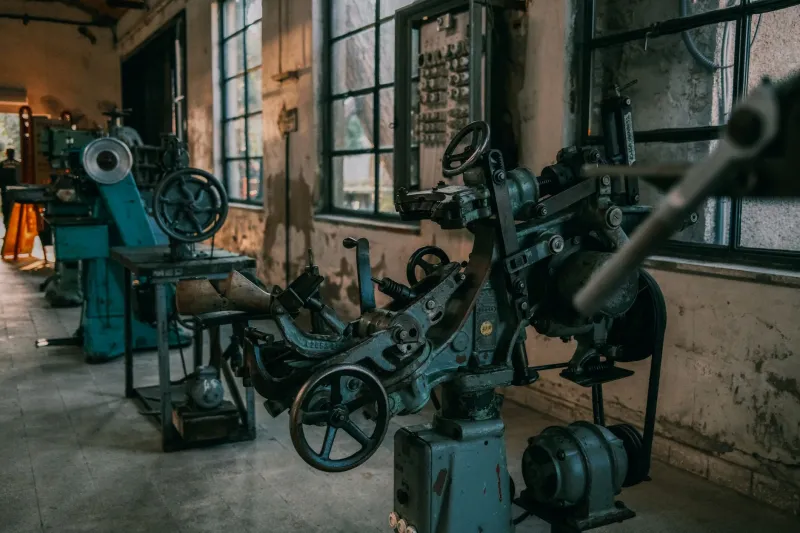
Every culture needs its origin myths, and America's version of Thomas Edison is practically a religion. The lone genius in the lab. The thousand attempts before the lightbulb. The famous line about perspiration versus inspiration. It's a clean story, and it's not entirely wrong — but it leaves out the parts that are actually interesting.
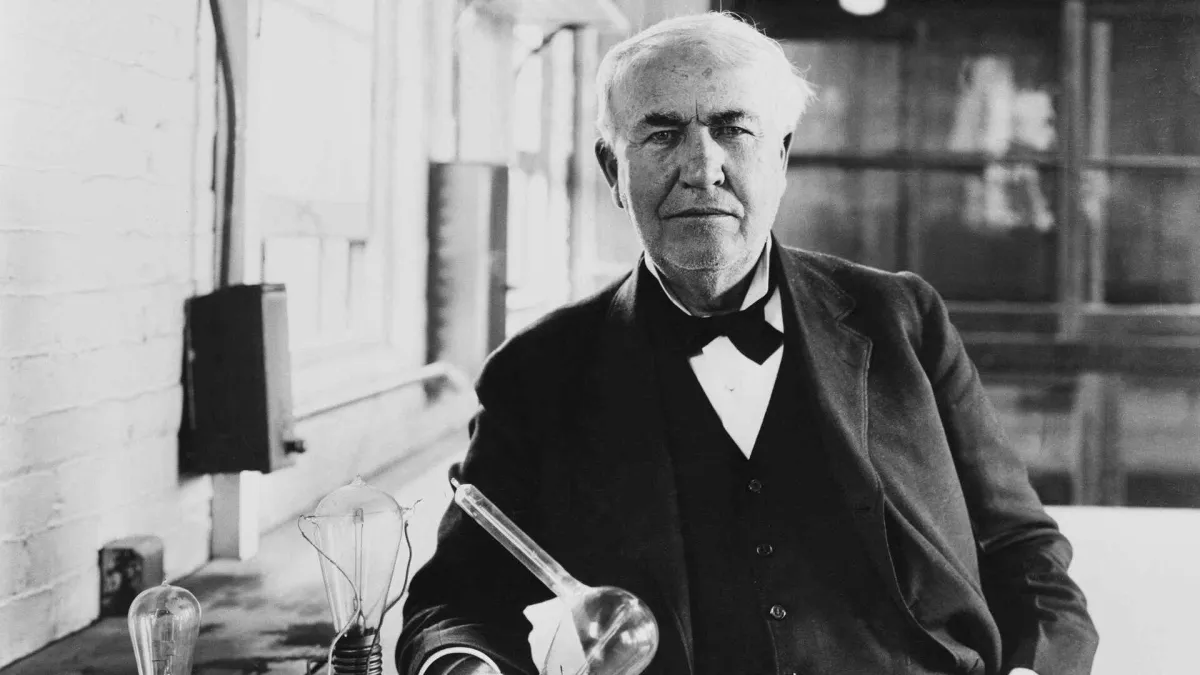 Photo: Thomas Edison, via res.cloudinary.com
It leaves out the teacher who told his mother he was too slow to teach. The businesses that collapsed. The years of near-poverty. The hearing loss that started in childhood and worsened throughout his life. The long stretches when the world's verdict on Thomas Edison was not "genius" but something closer to "lost cause."
Those are the parts worth talking about.
Milan, Ohio, and a Very Short School Career
Edison was born in 1847 in Milan, Ohio, a small canal town that was already beginning its slow decline by the time he arrived. He was a sickly child — scarlet fever, recurring ear infections, the kind of childhood illness portfolio that in the nineteenth century meant you were either going to be tough or you weren't going to make it. Edison got tough.
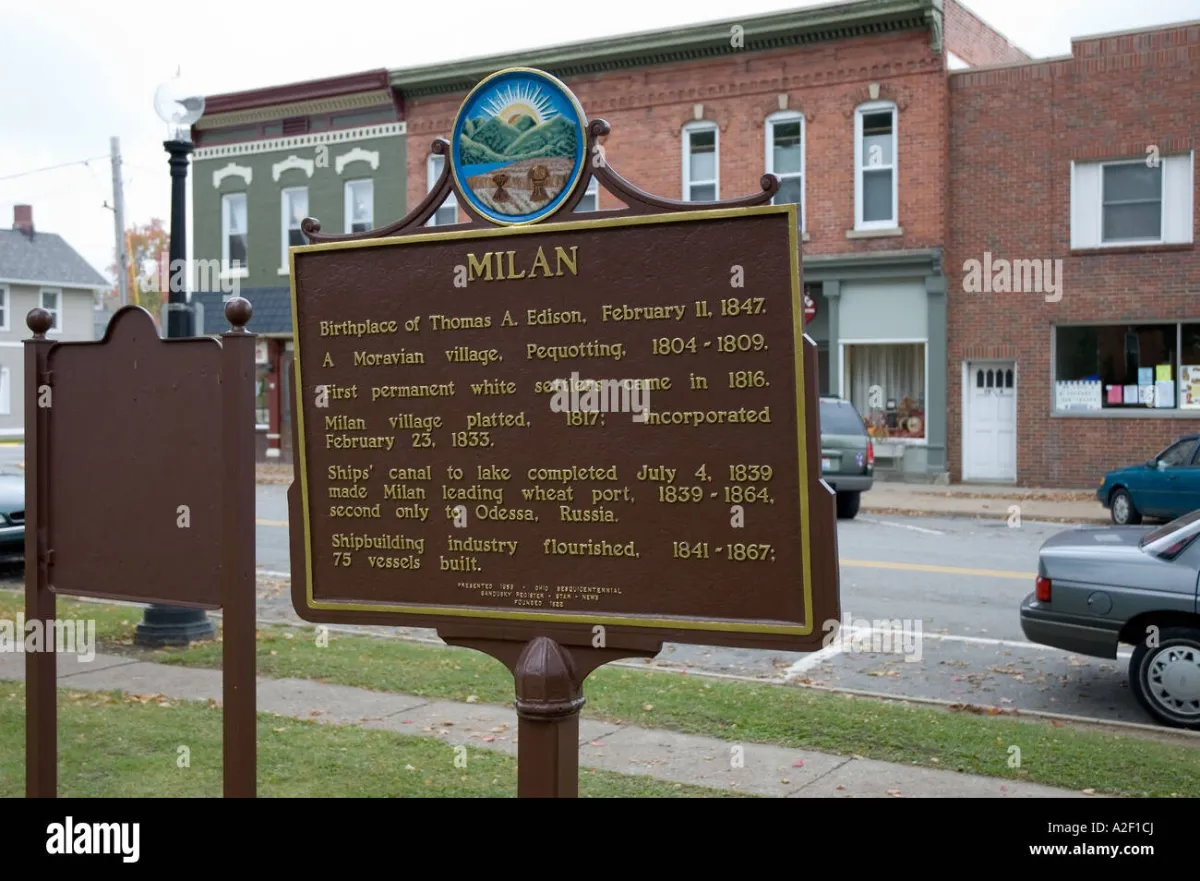 Photo: Milan, Ohio, via c8.alamy.com
He also got partially deaf, most likely as a result of those early infections, though Edison himself told various stories about the cause over the years. What's clear is that by the time he started school, he was already struggling to hear his teachers clearly and struggling, more broadly, to sit still and absorb information in the way the classroom expected.
His teacher, a man named Reverend Engle, decided after a few months that young Thomas was simply "addled" — the nineteenth-century term of art for a child who wasn't keeping up. He said this within Edison's earshot. Edison's mother, Nancy, was a former teacher herself, and she pulled her son out of school immediately. She would teach him at home.
He spent about three months in formal schooling. Total. In his entire life.
What a Boiler Room Teaches You
By twelve, Edison was working as a newsboy on the Grand Trunk Railroad, selling papers and candy to passengers on the line between Port Huron and Detroit. He'd negotiated permission to set up a small chemistry lab in one of the baggage cars, which tells you something about his persuasiveness even at that age. The lab eventually caught fire. He was thrown off the train.
He landed in telegraphy — the internet of the 1860s, the technology that was remaking communication and creating enormous demand for anyone who could operate the equipment. Edison was good at it. He was very good at it. But "good at the job" and "financially stable" turned out to be different things, and for most of his twenties, Edison was broke in ways that would be difficult to overstate.
He drifted from city to city chasing telegraph operator positions — Louisville, Cincinnati, Nashville, Indianapolis. He slept in boiler rooms when he couldn't afford lodging. He pawned equipment. He went hungry. He was, by most conventional measures, failing — a smart young man with genuine technical ability and absolutely nothing to show for it.
What he was actually doing, though, was learning. Every city, every telegraph office, every piece of equipment he touched added to a mental library of how things worked and, more importantly, how they could work better. He was accumulating the kind of knowledge that no school curriculum had figured out how to teach.
The Disasters Before the Breakthroughs
Edison moved to New York in 1869 with essentially no money. He slept on the floor of a friend's office in the financial district and ate when he could. His first significant break came almost by accident — he happened to be present when the telegraph system used by a major gold price reporting service broke down, understood immediately what was wrong, and fixed it. The company's superintendent was impressed enough to hire him.
From that point, Edison's career began to accelerate — but "accelerate" is a relative term, and the path was far from smooth. His early business ventures were a study in near-misses and outright collapses. He partnered with investors who turned out to be unreliable. He developed products that worked beautifully and sold poorly. He built a manufacturing operation in Newark that was perpetually teetering on the edge of insolvency, kept alive by the next contract and then the next one.
He also kept inventing. The automatic telegraph. The quadruplex telegraph, which allowed four messages to be sent simultaneously over a single wire. Improvements to the stock ticker. Each of these was a genuine technical achievement. None of them made him rich in any lasting way. The money came in and went right back out into the next project, the next experiment, the next attempt to solve a problem that nobody had solved yet.
Menlo Park and the Mythology Machine
In 1876, Edison opened his famous laboratory in Menlo Park, New Jersey — what he called an "invention factory," a place specifically designed to produce breakthroughs on a systematic basis. This is where the mythology tends to take over, because what came out of Menlo Park was genuinely extraordinary: the phonograph in 1877, a practical incandescent lightbulb in 1879, and the beginnings of the electrical distribution systems that would eventually power modern cities.
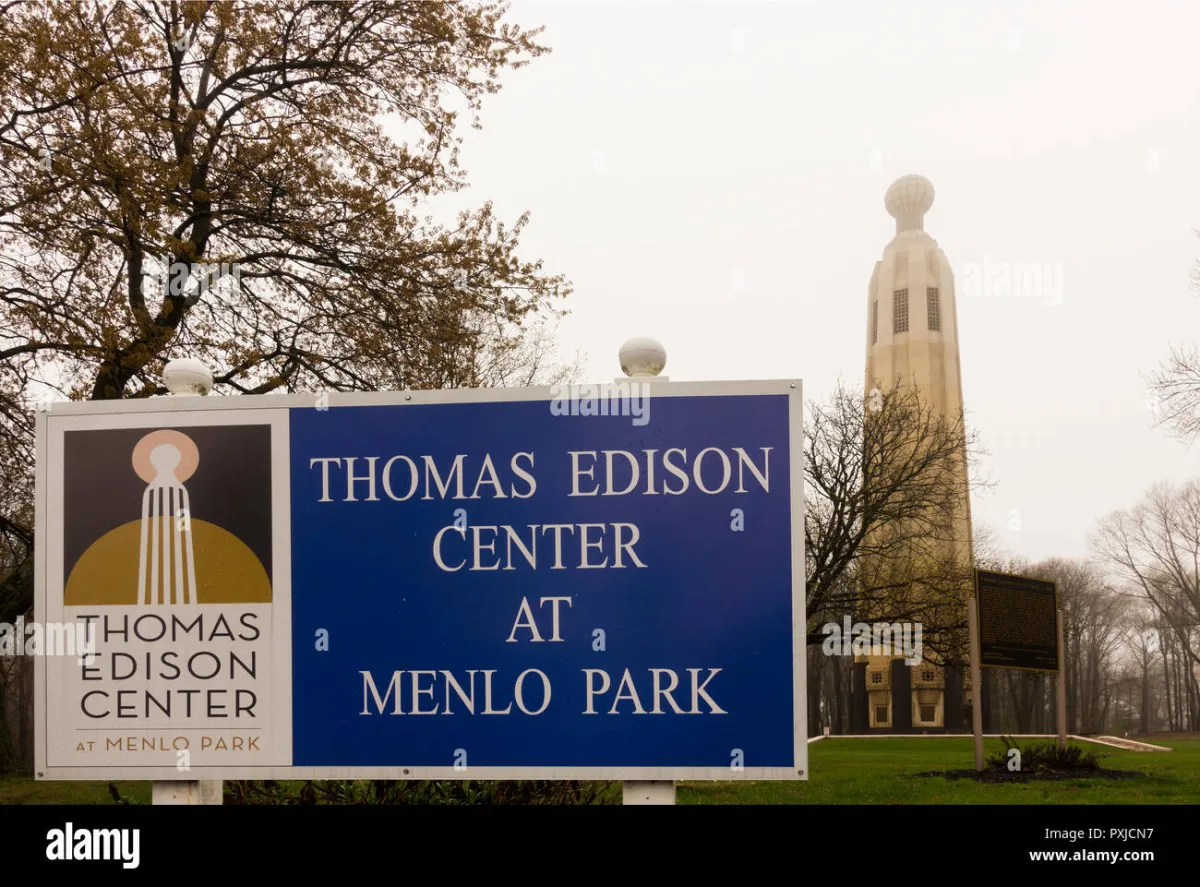 Photo: Menlo Park, New Jersey, via c8.alamy.com
But even here, the clean story doesn't hold up to scrutiny. The lightbulb that Edison developed was not the product of lone inspiration — it was the result of a team working through thousands of material combinations, funded by investors who required constant reassurance, and complicated by the fact that several other inventors were working on similar problems simultaneously. Edison's genius was partly technical and partly organizational: he was extraordinarily good at running a research operation, managing talent, and pushing through to a workable solution when other people would have stopped.
His hearing loss, which worsened throughout his adult life until he was nearly entirely deaf, shaped his working style in ways he himself acknowledged. He worked through the night routinely, partly because the quiet suited him. He communicated with his team through written notes. He developed an almost physical relationship with machinery — pressing his ear directly against equipment to feel vibrations rather than hear sound.
The disability that his childhood teacher had treated as evidence of inadequacy had become, in a strange way, part of his method.
The Verdict the World Kept Getting Wrong
Edison lived until 1931, long enough to see himself become a monument — a symbol of American ingenuity so thoroughly embedded in the culture that his name became shorthand for invention itself. It's a remarkable thing to have happen to a person who spent the first thirty years of his life being told, in various ways, that he wasn't quite right.
The teacher who called him addled was wrong. The school that gave up on him after three months was wrong. The investors who doubted him were wrong. The years of sleeping in boiler rooms and pawning equipment were not evidence of failure — they were the curriculum.
Edison's story isn't really about genius. It's about what happens when someone refuses to accept the world's assessment of their limits. He was handed a verdict early and spent the rest of his life making it irrelevant.
That's the part worth remembering.