The Cigar Roller Who Built the Labor Movement From the Ground Up
If you were designing a system to keep a person in their place, you'd probably start with something like Samuel Gompers's childhood. Born in London's East End in 1850 to a Dutch-Jewish family that couldn't afford much beyond the basics, Gompers was working full-time by age ten and had left formal schooling entirely by thirteen. His classroom, from that point forward, was a cigar-rolling shop in New York's Lower East Side — noisy, cramped, and smelling permanently of tobacco.
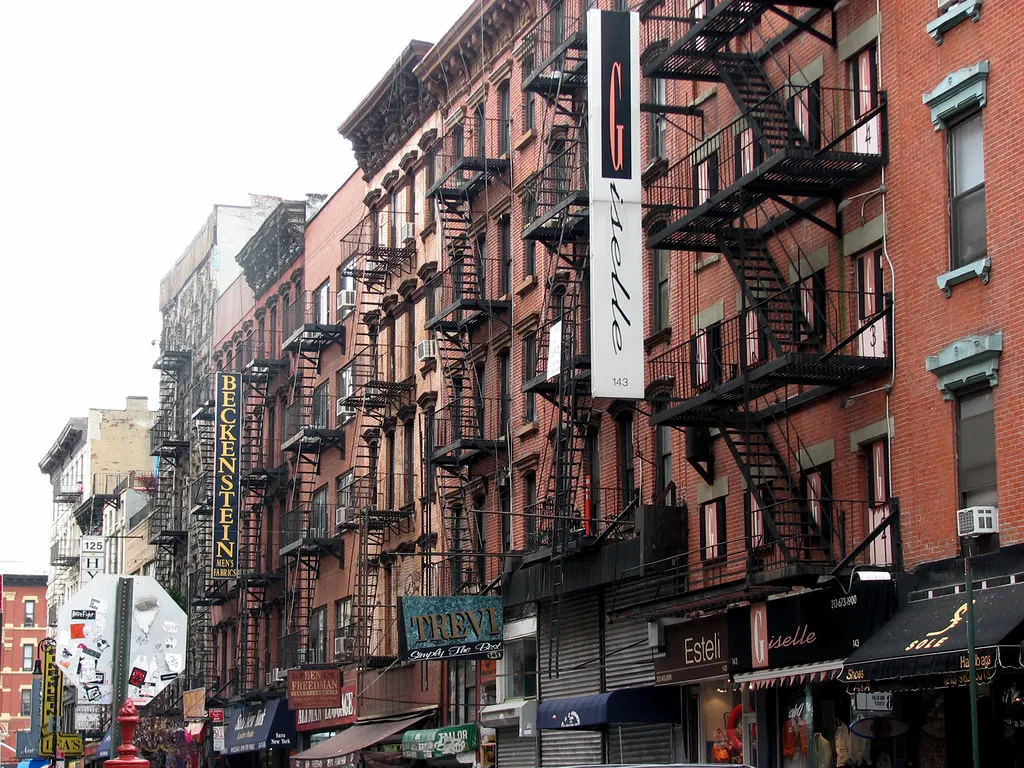 Photo: Lower East Side, via c2.staticflickr.com
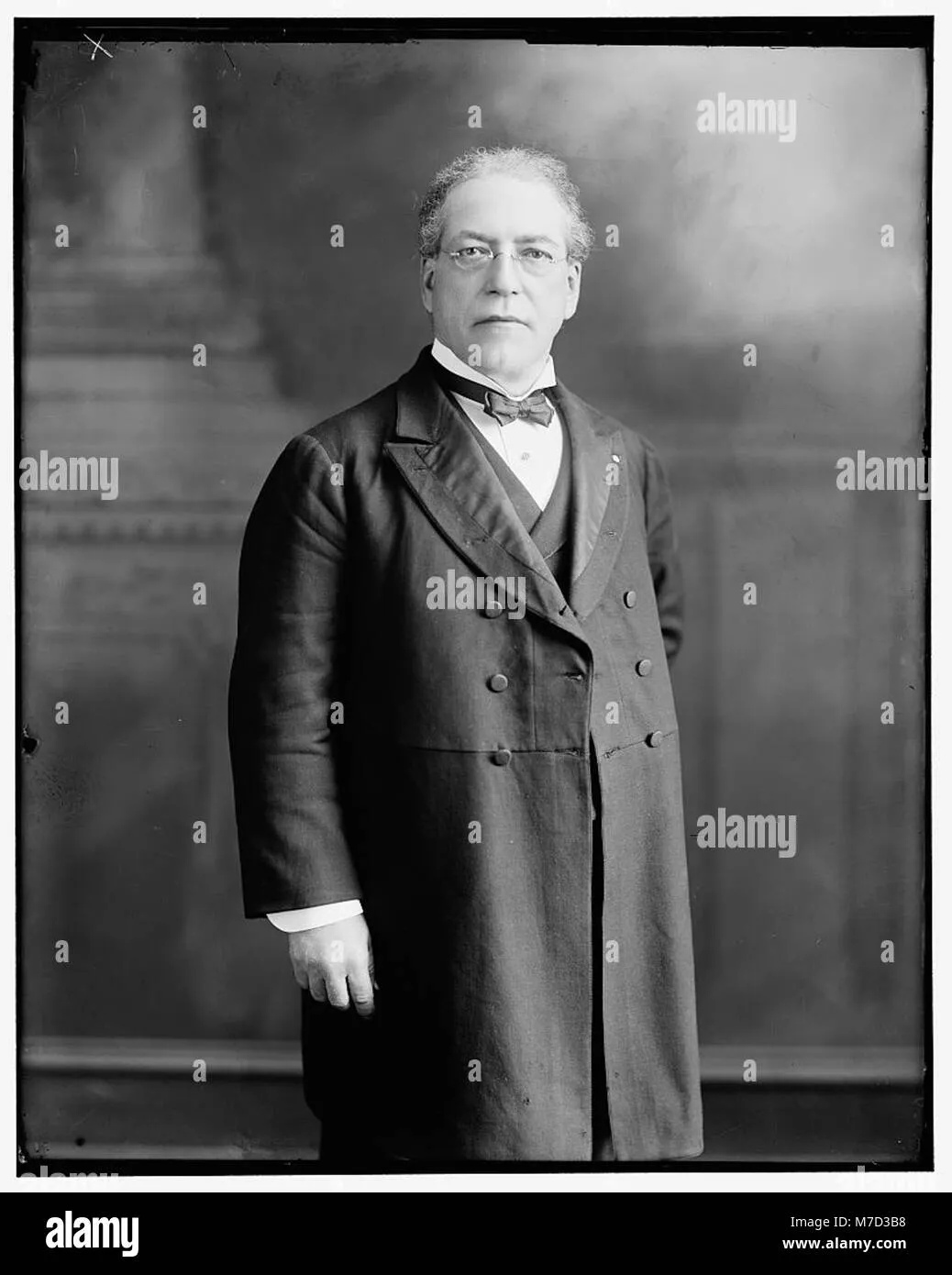 Photo: Samuel Gompers, via c8.alamy.com
What nobody who designed that system accounted for was what happens when you give a sharp mind nothing to do but think while its hands are busy.
Arriving With Almost Nothing
The Gompers family landed in New York in 1863, part of the enormous wave of immigrant labor that was simultaneously building American industry and being ground down by it. Samuel was thirteen. He spoke English with a London accent, had a few years of basic schooling behind him, and knew how to roll a cigar — a skill that got him work almost immediately at a Manhattan shop.
The conditions were what you'd expect. Long hours, dangerous air, wages that left no margin for anything going wrong. Workers had no formal protections, no recourse when employers cut pay or lengthened shifts, and no real mechanism for collective action that couldn't be immediately crushed by a business owner with the law on his side.
But the cigar shops had something that most factories didn't: a culture of learning. It was common practice in better shops for one worker to read aloud to the others while they rolled — newspapers, pamphlets, books, political theory. Gompers listened. He also talked, argued, and started forming opinions about why the world was arranged the way it was and whether it had to stay that way.
The Education of a Self-Made Strategist
By his early twenties, Gompers was deeply involved in the Cigar Makers' International Union, which was at the time a fairly weak organization with limited reach. He and a colleague named Adolph Strasser began rebuilding it from the inside — not through fiery rhetoric about overturning capitalism, but through something more practical and, ultimately, more durable: financial reserves, sick benefits, a structure that gave members a reason to stay and pay dues even when there wasn't an active fight underway.
This was the insight that would define Gompers's entire career. Other labor organizers of the era were often animated by grand ideological visions — socialism, anarchism, the wholesale transformation of American economic life. Gompers wasn't uninterested in those ideas. He'd read the same pamphlets. But he'd also watched enough organizing campaigns collapse to understand something his more idealistic contemporaries sometimes missed: a movement that can't survive between crises isn't really a movement.
He wanted higher wages, shorter hours, and safer conditions. He wanted them now, through negotiation and, when necessary, strikes. He wanted them regardless of whether the broader revolution ever arrived.
Building the Federation
In 1886, Gompers helped found the American Federation of Labor and became its first president — a position he would hold, with one brief interruption, until his death in 1924. That's thirty-seven years at the helm of an organization that grew from a loose coalition of craft unions into the dominant voice of American labor.
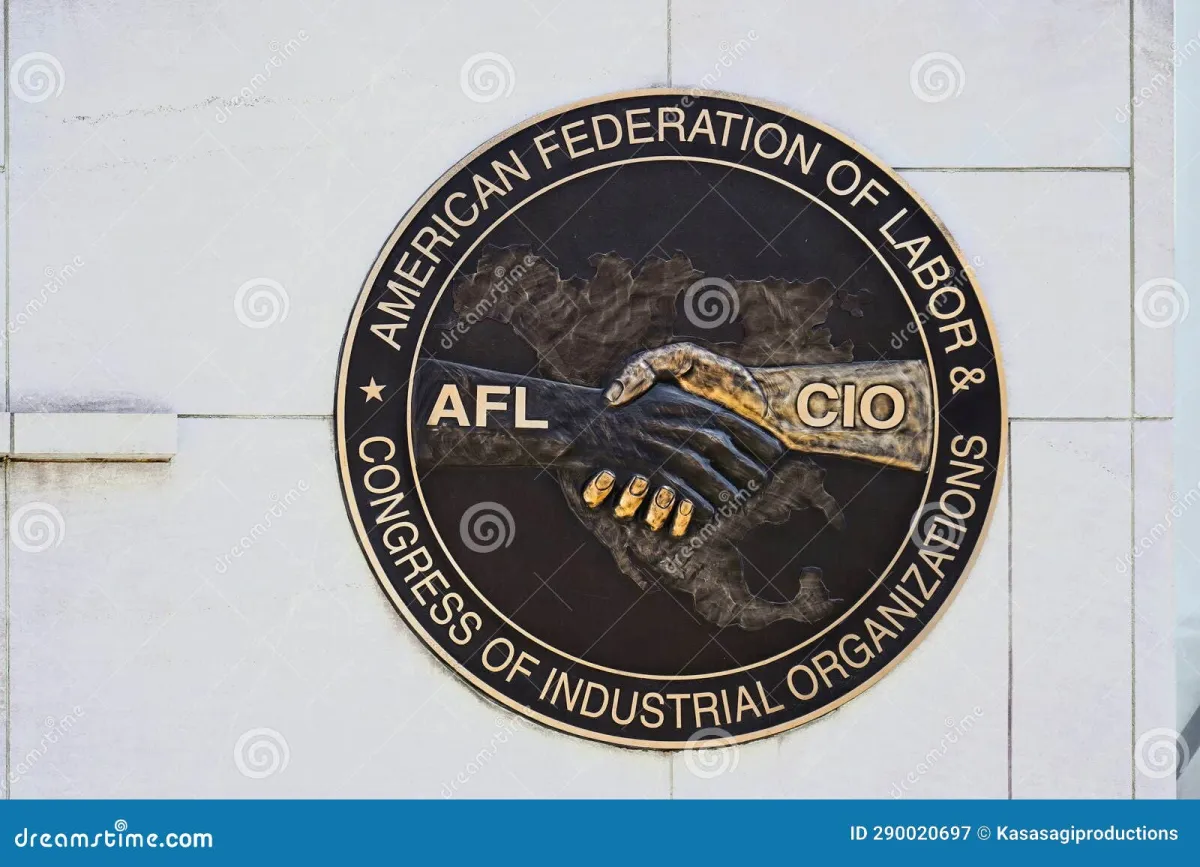 Photo: American Federation of Labor, via thumbs.dreamstime.com
The AFL's model was deliberately pragmatic. It organized skilled workers by trade rather than trying to unite all workers across industries — a choice that drew criticism then and still draws criticism now, since it effectively excluded many unskilled workers, women, and Black workers from full participation. It's a real limitation of Gompers's legacy, and it's worth sitting with. The AFL's gains came partly at the cost of a broader solidarity that a more inclusive movement might have built.
But within its chosen lane, the AFL was strikingly effective. Gompers negotiated directly with employers and politicians, built relationships across party lines, and turned labor's collective economic leverage into something that couldn't be easily ignored. He testified before Congress. He sat across the table from industrialists who controlled the fates of hundreds of thousands of workers and made them take labor's demands seriously.
The eight-hour workday. The weekend. Workplace safety standards. Child labor restrictions. These weren't gifts from enlightened employers. They were extracted, negotiated, and fought for — and Gompers was at the center of those fights for nearly four decades.
The Man the System Couldn't Process
What's striking about Gompers, looking back, is how thoroughly he confounded the categories that American power used to sort people. He was an immigrant, which was supposed to mean he'd be grateful for whatever he got. He was a Jew in an era of casual and not-so-casual anti-Semitism. He had no college degree, no professional credentials, no inherited connections to the circles where decisions got made.
And yet he made himself impossible to dismiss. Partly this was force of personality — contemporaries described him as a relentless presence in any negotiation, someone who could outlast almost anyone in a meeting and who never seemed to lose track of what he'd actually come to accomplish. Partly it was the organization he'd built, which gave him a constituency that even hostile politicians had to acknowledge.
But partly it was something harder to quantify: a clarity of purpose that came from knowing, firsthand, what it felt like to be the person the system was designed to use up. He'd rolled cigars in those shops. He'd breathed that air. He hadn't read about the problem in a book — he'd lived it, and he never forgot what he was actually fighting for.
What His Life Proves
Samuel Gompers died in 1924, in San Antonio, while returning from a labor conference in Mexico. He was seventy-four years old. The AFL he'd built had over three million members. The labor movement he'd shaped would go on to negotiate the New Deal-era protections that defined American working life for most of the twentieth century.
None of that was inevitable. None of it was supposed to happen to a kid who left school at thirteen and spent his days rolling tobacco in a Lower East Side shop. The system he was born into had a very specific outcome in mind for someone like him.
He just refused to cooperate with it. And in doing so, he made life measurably better for millions of people who never knew his name.