She Didn't Rise Alone: The Hidden Network of Black Women Who Built the First American Beauty Empire
She Didn't Rise Alone: The Hidden Network of Black Women Who Built the First American Beauty Empire
America loves a lone genius. The garage inventor, the bootstrapped entrepreneur, the self-made millionaire who started with nothing and built everything through sheer individual will. It's a story we tell so often it has become almost sacred.
Madam C.J. Walker fits that story almost perfectly — and that's exactly why we need to look more carefully at the parts that get left out.
Walker's rise from sharecropper's daughter to the first self-made female millionaire in American history is genuine and extraordinary. But the full story is richer and, in some ways, more radical than the lone-genius version suggests. Because Walker didn't rise from ruin alone. She rose from ruin with help — deliberate, strategic, community-organized help — from a network of Black women entrepreneurs who understood that in Jim Crow America, collective survival was the only kind that worked.
The World She Was Born Into
Sarah Breedlove — the woman who would become Madam C.J. Walker — was born in 1867 on a Louisiana cotton plantation, the first child in her family to be born free. Her parents had been enslaved. By the time she was seven, both were dead. By fourteen, she was married. By twenty, she was widowed with a daughter to raise and almost nothing else.
She moved to St. Louis, where her brothers worked as barbers, and spent the next eighteen years doing laundry for other people's households. The work was brutal and poorly paid. She developed a scalp condition that caused significant hair loss — a problem common among Black women in an era when clean water and nutritious food were not guaranteed. It was out of this personal struggle that she began experimenting with hair care treatments, eventually developing a line of products specifically formulated for Black women's hair.
That part of the story is well known. What's less often told is who helped her get from that kitchen laboratory to a national business.
Margaret Murray Washington and the Architecture of Uplift
Before Walker became famous, she moved to Denver and then Indianapolis, building her business city by city, door to door. But she wasn't operating in a vacuum. She was moving through a pre-existing infrastructure built by Black women's clubs, civic organizations, and mutual aid networks that stretched across the country.
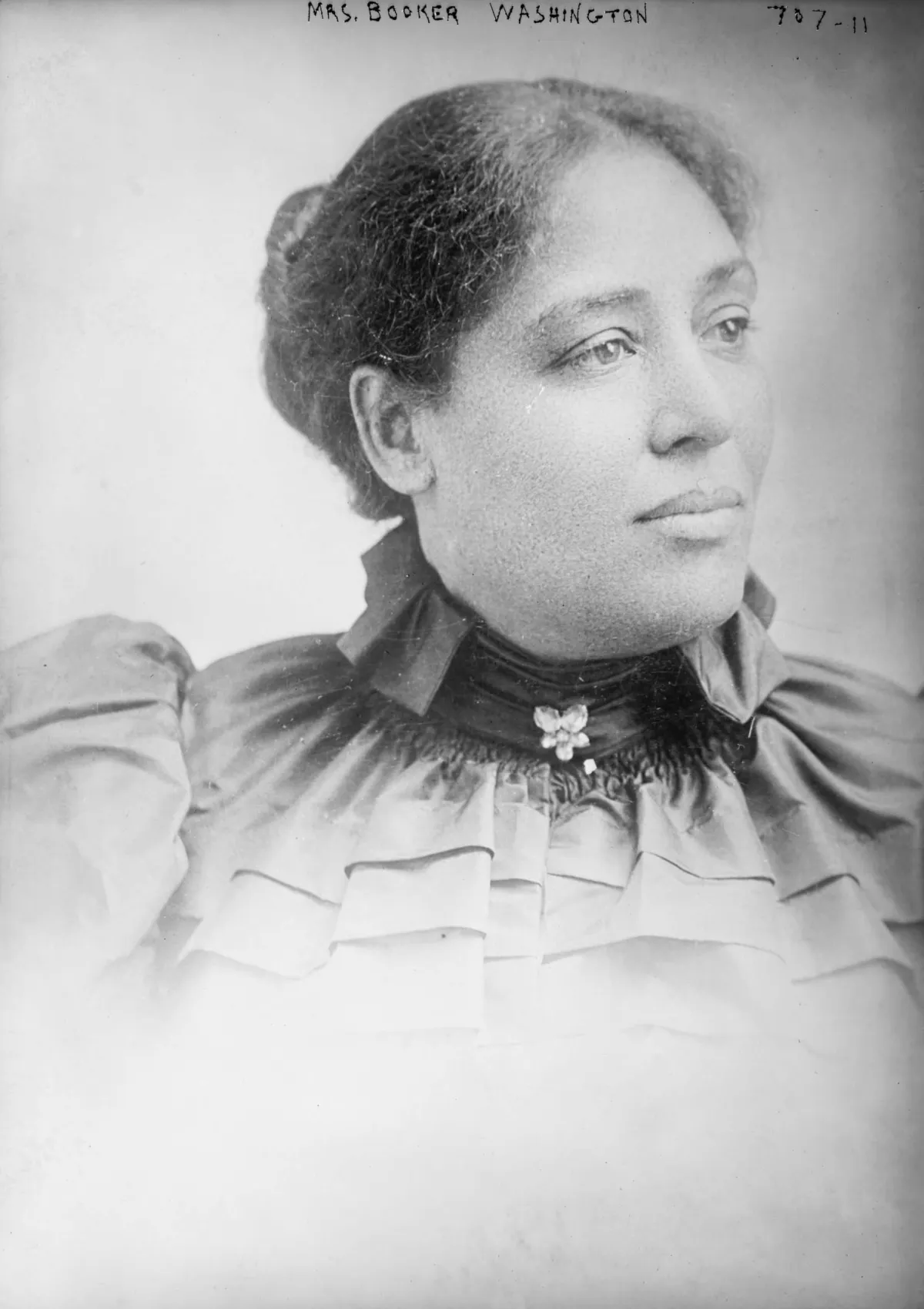 Photo: Margaret Murray Washington, via encyclopediavirginia.org
One of the most significant figures in this world was Margaret Murray Washington, the wife of Booker T. Washington and a formidable organizer in her own right. As president of the National Association of Colored Women's Clubs, Margaret Washington helped create a national network of educated, entrepreneurially minded Black women who shared resources, customers, and connections. Walker tapped into this network deliberately and skillfully.
The clubs weren't just social organizations. They were, in effect, an informal chamber of commerce for Black women who had no access to the formal one. They provided letters of introduction, speaking platforms, and community trust — the kind of social capital that, for white entrepreneurs, came automatically through banks and business associations. For Black women in the early 1900s, the clubs were the bank.
The Mentor Nobody Made a Statue Of
Perhaps the most important and least celebrated figure in Walker's early business life was Annie Turnbo Malone, a Black entrepreneur from Illinois who had developed her own line of hair care products — the Poro line — before Walker launched hers. Walker actually worked as a Malone sales agent before striking out independently.
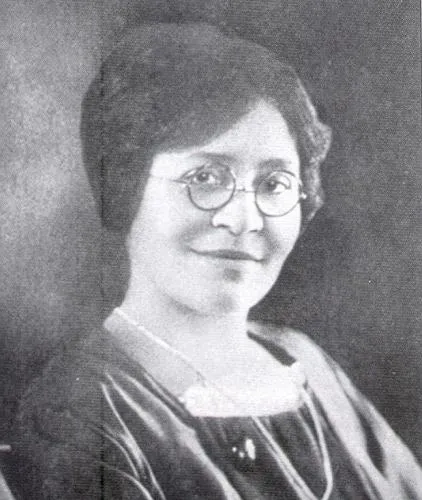 Photo: Annie Turnbo Malone, via 2.bp.blogspot.com
Malone's influence on Walker is historically complicated, partly because the two women later had a public dispute over product formulas and business methods. But before the falling-out, Malone provided something invaluable: proof of concept. She demonstrated that a Black woman could build a national hair care business, that Black women across the country would pay for quality products designed specifically for them, and that a direct-sales model using trained Black female agents could work at scale.
Walker watched, learned, and adapted. She took the model and pushed it further, building what would become the Walker College of Hair Culture and a national sales force of thousands of women — the Walker Agents — who became entrepreneurs themselves.
Generosity as Business Strategy
What made Walker's network approach unusual, even radical, was that she didn't just receive support — she institutionalized giving it back. The Walker Agent system wasn't just a sales force. It was a pathway to economic independence for Black women who had almost no other routes available to them.
Walker paid her agents well, trained them rigorously, and encouraged them to reinvest in their own communities. She gave bonuses to agents who donated to local schools and charities. She built the Walker Building in Indianapolis — a commercial and cultural hub that housed a casino, a ballroom, and office space for Black-owned businesses — as a deliberate act of community infrastructure.
She also became one of the largest Black donors to the NAACP's anti-lynching campaign, contributing at a time when speaking out publicly was genuinely dangerous. Her philanthropy wasn't separate from her business. It was an extension of the same philosophy: that individual prosperity was only meaningful if it built something larger.
What the Self-Made Myth Erases
The self-made mythology isn't entirely wrong about Walker. She was brilliant, driven, and relentlessly innovative. She overcame poverty, racism, and widowhood to build something genuinely unprecedented. None of that is diminished by acknowledging the community that supported her.
But the myth does erase something important: the women who came before her, who shared what they knew, who opened doors and extended credit and offered platforms. It erases the clubs, the networks, the informal economies of trust that Black women built in the gaps of a society designed to exclude them.
Annie Turnbo Malone, who preceded Walker and from whom Walker learned, eventually lost most of her fortune and died in relative obscurity. Margaret Murray Washington, who helped build the national infrastructure Walker moved through, is largely forgotten outside academic circles. The network is invisible. The individual legend is everywhere.
The Lesson That Outlasts the Legend
Madam C.J. Walker's story is genuinely inspiring. But the fuller version — the one that includes the women who mentored her, the organizations that supported her, and the thousands of agents she empowered in turn — is something more than inspiring. It's instructive.
It suggests that the most durable kind of success isn't built by lone individuals pulling themselves upward. It's built by communities that have decided, collectively, that more people deserve to rise. In the Jim Crow South, where the formal economy was actively hostile to Black women, that kind of solidarity wasn't idealism. It was survival strategy.
And it worked.