From the Bayou to the Banquet Table: How One Woman's Crawfish Pot Changed American Food Forever
Born Into the Bayou
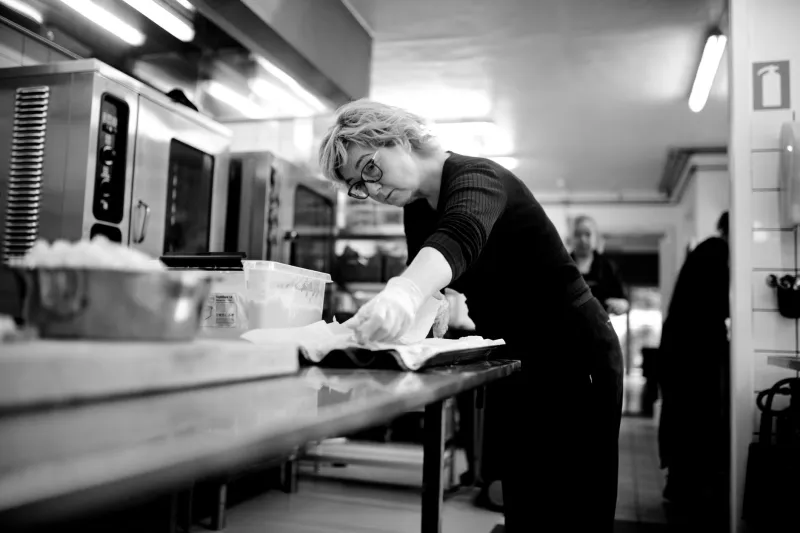
Leah Chase didn't grow up dreaming of James Beard Awards or White House dinner invitations. She grew up in Madisonville, Louisiana, in the 1920s, one of eleven children in a family that made do with what the land and the water offered. What the water offered, mostly, was crawfish — and Leah knew how to find them, catch them, and turn them into something that tasted like the whole world wasn't as hard as it actually was.
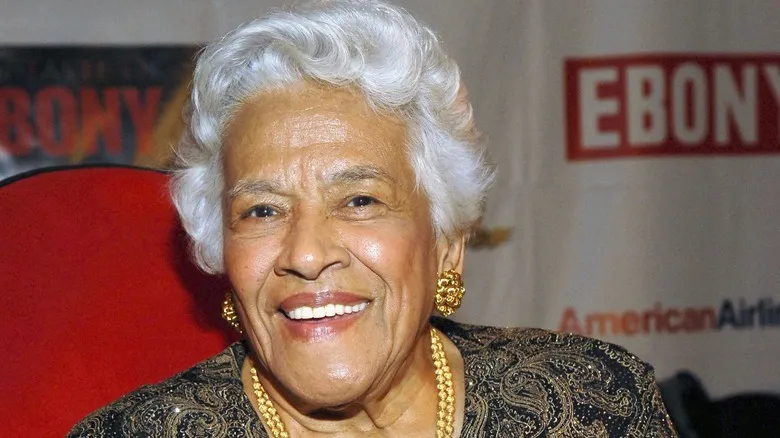 Photo: Leah Chase, via www.tastingtable.com
That instinct — the ability to transform scarcity into something that felt like abundance — would define everything that came after.
She left home as a teenager, took a bus to New Orleans, and found work as a waitress in the French Quarter. The restaurant industry in 1940s New Orleans was a world of sharp hierarchies: the fine dining establishments were white-owned and white-served, and the idea of a Black woman running a serious kitchen was so far outside the mainstream imagination that it barely registered as a possibility worth arguing about.
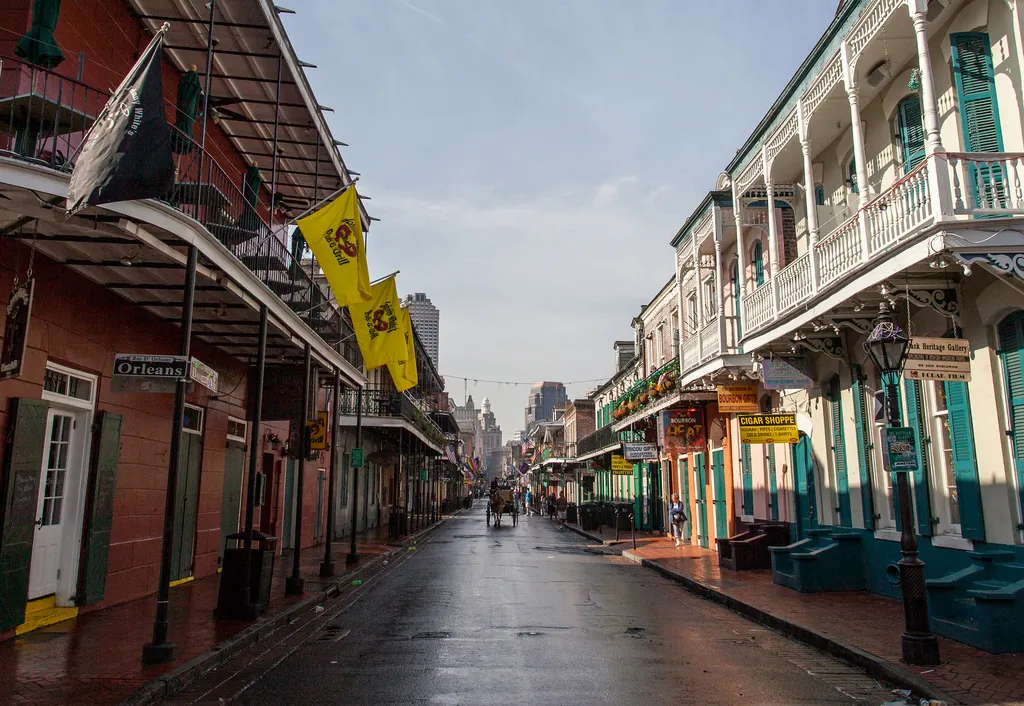 Photo: New Orleans, via www.travelmag.com
Leah Chase decided to make it impossible to ignore.
A Diner That Became a Destination
In 1946, she married Edgar 'Dooky' Chase Jr., whose family ran a small sandwich shop and lottery ticket outlet in the Tremé neighborhood — one of the oldest Black communities in America. The place was called Dooky Chase's, and when Leah came in, she transformed it.
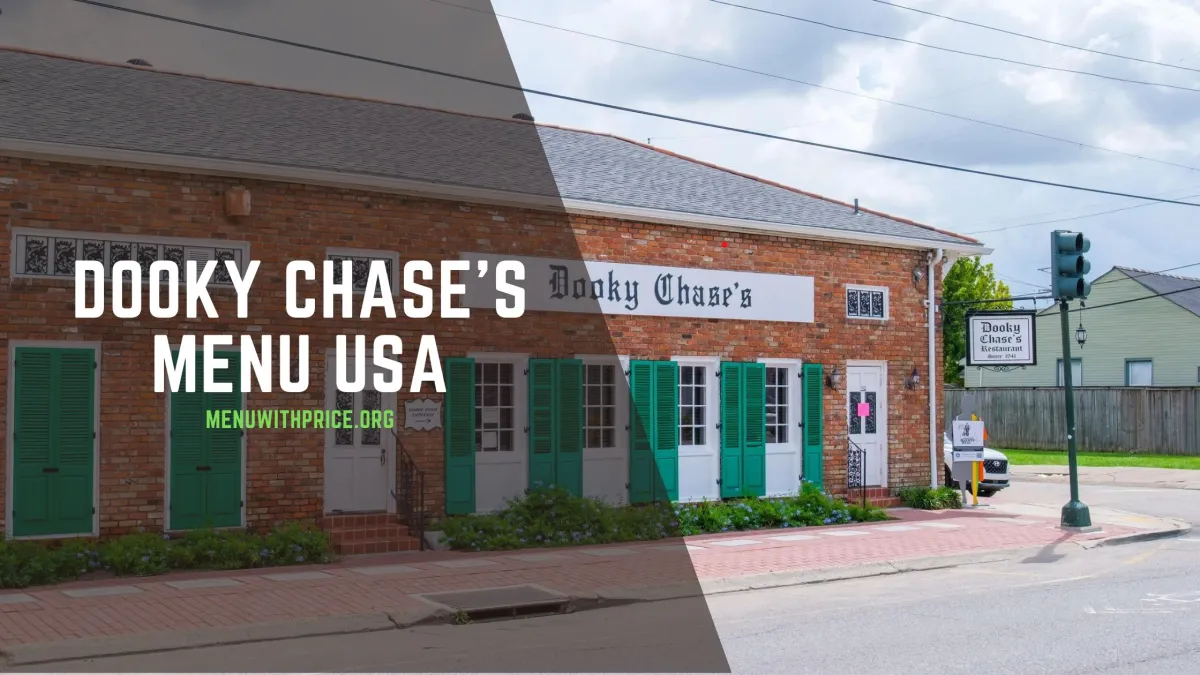 Photo: Dooky Chase's, via menuwithprice.org
She wasn't trained in any formal culinary tradition. No Cordon Bleu, no apprenticeship under a celebrated chef. What she had was a lifetime of watching food made with love under pressure, an instinctive understanding of flavor, and an ambition that the restaurant world around her had no framework to accommodate. She started cooking gumbo, fried chicken, and Creole dishes that drew on generations of Louisiana Black culinary tradition — food that the city's fine dining establishments had largely ignored or treated as beneath serious consideration.
Word spread. People came. And then the people who came started to matter in ways that went far beyond dinner.
The Most Important Table in the South
During the era of Jim Crow, Black Americans in New Orleans had almost nowhere to gather publicly that was safe, dignified, and private enough for serious organizing. Dooky Chase's became that place. Civil rights leaders who couldn't eat together in white-owned restaurants gathered around Leah's tables. Thurgood Marshall, who would later argue Brown v. Board of Education before the Supreme Court, ate there. Martin Luther King Jr. came through. The Congress of Racial Equality held meetings there.
Leah didn't just feed these men — she was part of the conversation. She understood what was at stake. She had lived it. And she used her kitchen as a kind of headquarters, a safe room where the business of dismantling American segregation could be conducted over bowls of gumbo and plates of fried chicken that were, by every account, extraordinary.
The restaurant wasn't just a place to eat. It was infrastructure for a movement.
The Culinary Establishment's Blind Spot
For decades, the American food world — the critics, the cookbook publishers, the culinary schools — largely categorized what Leah Chase did as 'home cooking.' It was a polite way of saying it didn't quite count. The implication was that real cuisine had European roots, classical training, and a certain kind of institutional validation that Southern Black cooking, no matter how sophisticated, hadn't earned.
Leah ignored this framing almost completely. She kept cooking. She kept refining. She kept adding to Dooky Chase's art collection — she became one of the most significant collectors of African American art in the South, filling her restaurant walls with works that reflected the culture she was feeding — and she kept showing up every day in her kitchen like the argument about whether she was 'serious' was too boring to engage with.
The food world eventually caught up. By the 1990s and 2000s, the conversation about American cuisine had shifted dramatically, and Creole cooking — the tradition Leah had been practicing and perfecting for fifty years — was finally being recognized as one of the country's genuinely original culinary contributions. Leah Chase was suddenly everywhere: on television, in national magazines, the subject of documentaries and profiles and culinary pilgrimages.
She had been making the same food the entire time.
Presidents at the Counter
The list of people who ate at Dooky Chase's reads like a roll call of twentieth-century American history. Ray Charles was a regular. Duke Ellington played nearby and came to eat afterward. When Barack Obama visited New Orleans before his presidency, he came to Leah's restaurant — and she reportedly scolded him for putting hot sauce in her gumbo before tasting it. He took the correction graciously. You did not argue with Leah Chase about her gumbo.
George W. Bush came. Bill Clinton came. The restaurant became a kind of mandatory stop for anyone who wanted to understand New Orleans — not the tourist-brochure version, but the real thing, rooted in history and struggle and flavor that had been earned over generations.
After Hurricane Katrina devastated New Orleans in 2005, Dooky Chase's was badly damaged. Leah Chase was in her eighties. Virtually everyone would have understood if she had stepped back, taken the insurance money, and let the restaurant go. Instead, she rebuilt it. She was back in her kitchen within two years, cooking for the city that needed her.
The Legacy That Lives in the Pot
Leah Chase died in 2019 at the age of 96, still connected to the restaurant that bore her family's name. The tributes that poured in from chefs, politicians, civil rights historians, and ordinary New Orleanians reflected something unusual: she had managed to matter to all of them simultaneously, in different ways, for different reasons.
For the food world, she was a pioneer who had validated an entire culinary tradition before the establishment was ready to validate it. For civil rights historians, she was a quiet hero who had used her business as a tool of resistance and community-building during some of the most dangerous years in American racial history. For the people of New Orleans, she was simply the woman who had been feeding them, reliably and lovingly, for more than half a century.
She started with crawfish in a Louisiana bayou and a family that needed feeding. She ended with a legacy that reshaped how America understands where its food comes from, who made it, and why it matters. That's not a small life. That's an enormous one, built from scratch, in a kitchen the world wasn't paying enough attention to.