She Crossed the Atlantic With Almost Nothing and Taught America How to Act

If you've ever watched Marlon Brando and felt like he was the only real person in the room, you have Stella Adler to thank for that.
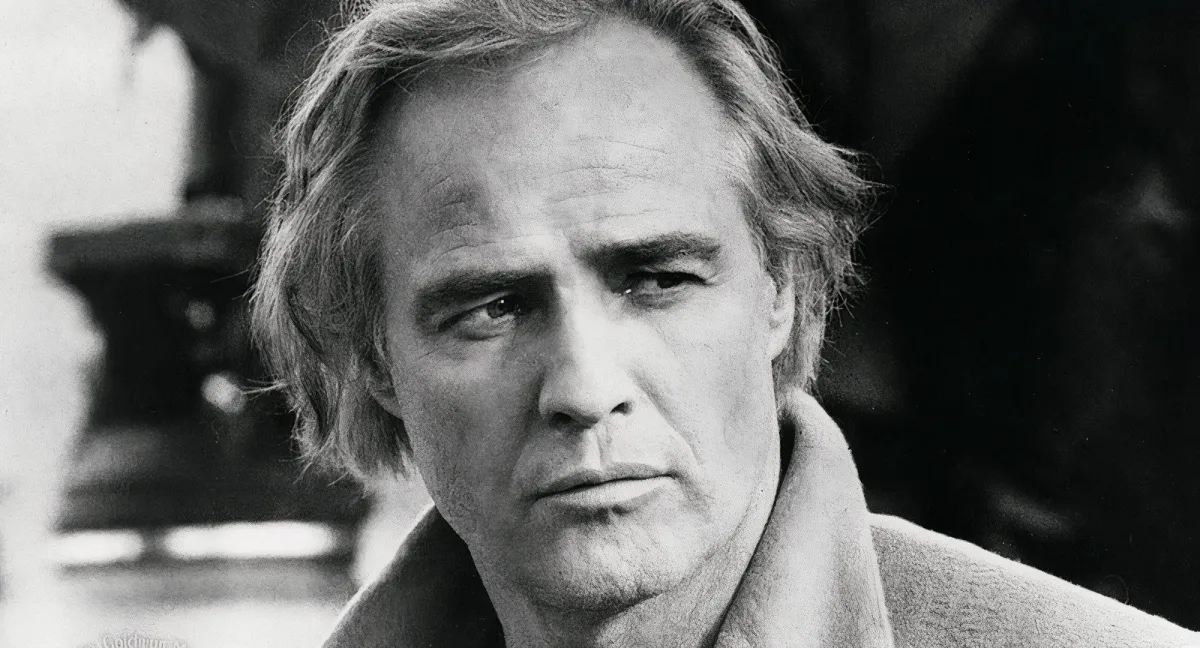 Photo: Marlon Brando, via static1.cbrimages.com
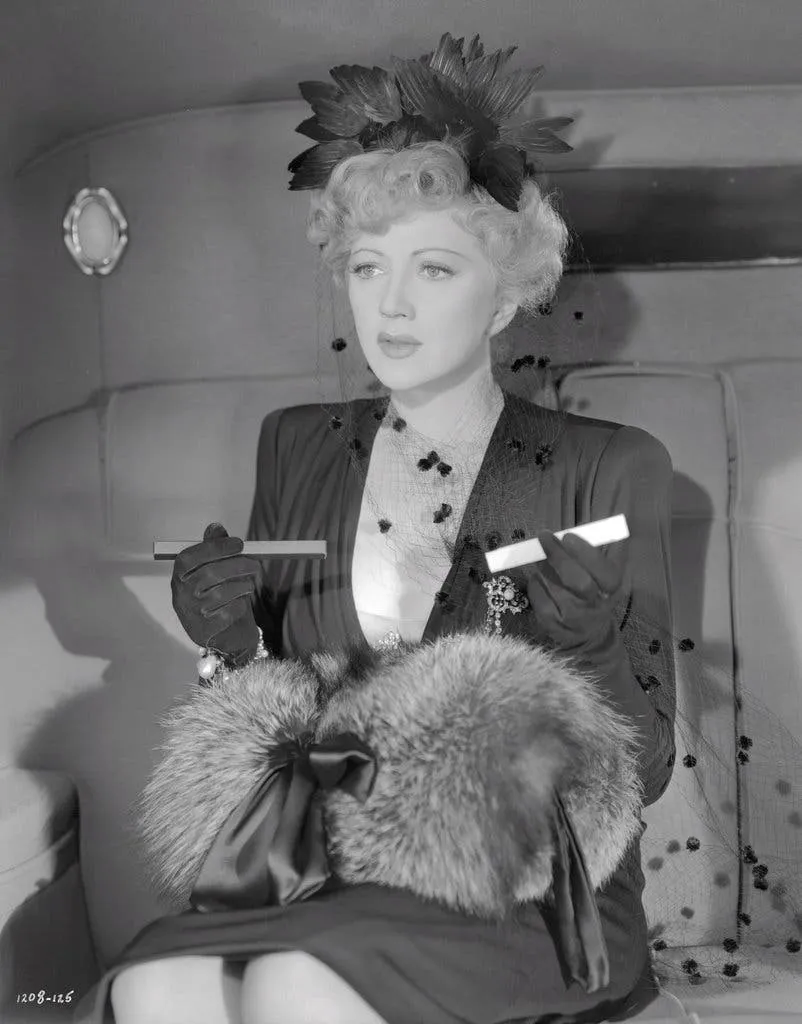 Photo: Stella Adler, via static01.nyt.com
Not Hollywood. Not the studio system. Not any of the male directors who get credited with discovering him. A woman who grew up speaking Yiddish in a cramped tenement on the Lower East Side of Manhattan, who spent decades being told she was coasting on her father's name, and who eventually built a school that changed the entire grammar of American performance.
Stella Adler's story is about inheritance — specifically, about refusing the one you were handed and building a better one from scratch.
The Weight of the Name
She was born in 1901, the daughter of Jacob Adler, the most celebrated actor in the Yiddish theater world. In the immigrant communities of New York, Jacob Adler wasn't just famous. He was something close to mythological — a man whose performances in Yiddish theaters on the Lower East Side drew audiences who had never seen anything like what he could do on a stage.
Growing up as Jacob Adler's daughter meant growing up inside a world where theater was not entertainment but survival, not hobby but identity. Stella was performing on stage by the time she was five. By her teens, she was a working actress. By her twenties, she was one of the most technically accomplished performers in New York.
And almost no one gave her credit for any of it.
The critical consensus, delivered with the casual cruelty that the entertainment industry specializes in, was that Stella Adler was good because of who her father was. She carried his instincts, his presence, his theatrical DNA. She wasn't a talent in her own right. She was a legacy.
She spent years fighting that narrative from the inside, and she never fully won that argument on stage. So she changed the game entirely.
Moscow, and the Argument That Changed Everything
In 1934, Adler did something that most American theater practitioners of her era would never have considered. She traveled to Paris to study directly with Konstantin Stanislavski — the Russian theater director whose system of psychological realism had been transforming European performance for decades.
At the time, a version of Stanislavski's method was being taught in New York by Lee Strasberg, her colleague at the Group Theatre. Strasberg's interpretation emphasized emotional memory — the idea that actors should excavate real personal trauma to fuel their performances. It was intense, sometimes brutal, and enormously influential.
Adler thought it was wrong.
After five weeks working with Stanislavski himself, she came back to New York with a different understanding of what the master had actually meant. Stanislavski's system, she argued, wasn't about torturing yourself with personal grief. It was about imagination — about building a character's truth from the inside out using creative invention rather than psychological self-harm.
Her confrontation with Strasberg over this distinction was legendary. It was loud, it was public, and it split the American acting world into factions that still haven't entirely reconciled.
But Adler was right. And the proof walked into her classroom a decade later.
The Student Who Proved the Point
Marlon Brando arrived in Adler's class in the mid-1940s as a nineteen-year-old from Omaha, Nebraska, with almost no formal training and an uncanny instinct for truth on stage. Adler recognized immediately what she was working with.
Her method — grounded in imagination, physicality, and the deep internal logic of character rather than personal confession — gave Brando a framework for what he was already doing intuitively. The result was something American audiences had never quite seen before.
When Brando appeared in A Streetcar Named Desire on Broadway in 1947 and then in the film version in 1951, the reaction was something close to shock. He wasn't performing. He was being. Critics struggled to describe what made him different. What made him different was Stella Adler.
She would go on to teach Robert De Niro, Warren Beatty, Harvey Keitel, and dozens of other actors who became central to the defining wave of American cinema in the 1960s and 70s. The gritty, psychologically complex, deeply human performances that characterize that era — the films that Americans still reach for when they want to describe what great acting looks like — were shaped in large part by the techniques of a woman who grew up performing in Yiddish and spent years being dismissed as her father's daughter.
The School She Built to Last
In 1949, Adler founded the Stella Adler Studio of Acting in New York. It still exists. It operates today in both New York and Los Angeles, still teaching the principles she spent a lifetime refining.
What she built wasn't just a training program. It was a philosophy — a coherent argument about what acting is for and what it requires. She believed that actors had a responsibility not just to their craft but to their audience, to their culture, to the stories that a society needs told in order to understand itself.
"Your talent is in your imagination," she famously told her students. "The rest is homework."
That framing — serious, demanding, but ultimately optimistic about human creative capacity — ran directly counter to the self-flagellating intensity that dominated American acting pedagogy at the time. It was also, arguably, more sustainable. And it produced generations of performers who could work across decades without burning out.
What She Refused to Inherit
There's a version of Stella Adler's story that frames her as a woman who succeeded despite her father's shadow. But that's not quite right.
She succeeded because she understood exactly what her father had given her — a profound, bone-deep knowledge of what theater can do — and then made the deliberate choice to take that knowledge somewhere entirely new. She didn't reject her inheritance. She transformed it.
The Yiddish theater world that Jacob Adler built served a specific community in a specific moment. What Stella built served something larger: a new American performing tradition that drew on immigrant sensibility, European rigor, and a distinctly democratic belief that truth on stage belongs to everyone.
She arrived in this country as the daughter of immigrants with almost nothing the broader culture recognized as valuable. She left it having quietly shaped the way Americans understand what it means to be human — one performance, one classroom, one radical idea at a time.
Not bad for someone they kept calling just her father's kid.