Sixteen, Furious, and Unstoppable: The Girl Who Cracked Segregation From the Inside
The School That Was Never Meant to Be Good Enough
Moton High School in Farmville, Virginia, was falling apart. Literally. The roof leaked. The classrooms were so overcrowded that students were sent to learn in tar-paper shacks out back — structures so flimsy that teachers burned kerosene heaters just to keep kids from shivering through lessons. The county had promised a new building for years. The promises went nowhere.
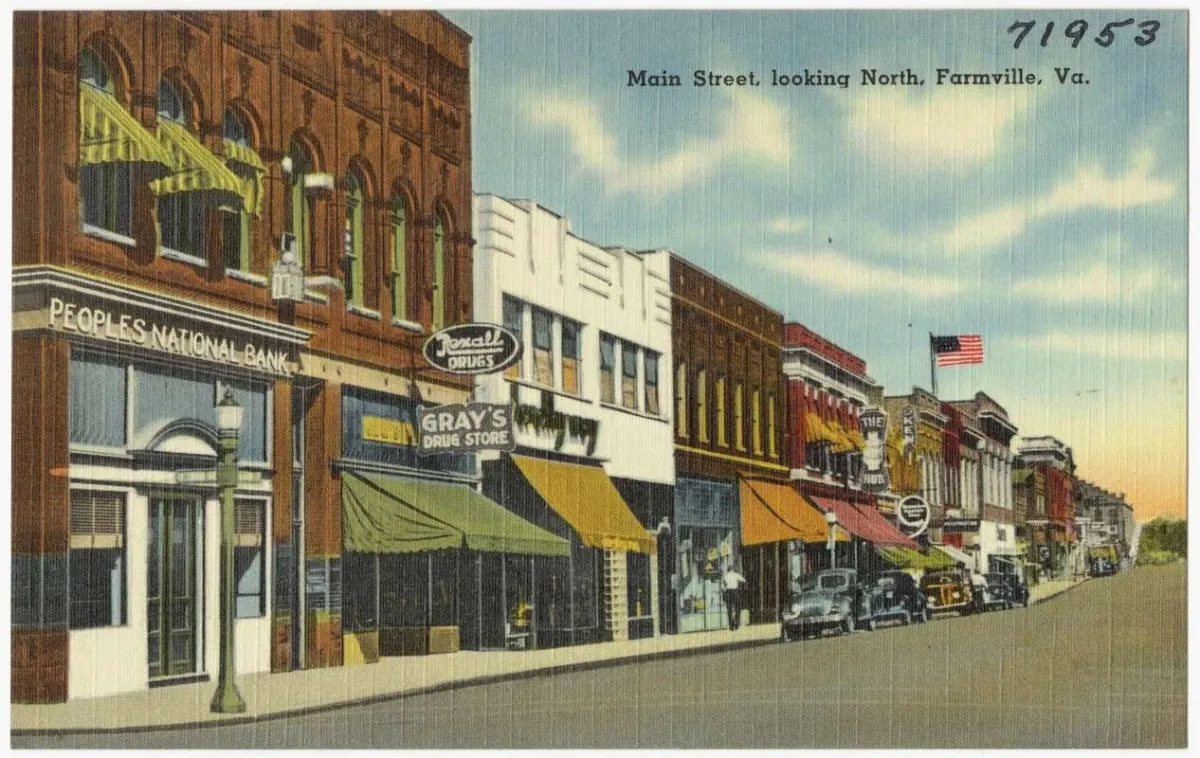 Photo: Farmville, Virginia, via encyclopediavirginia.org
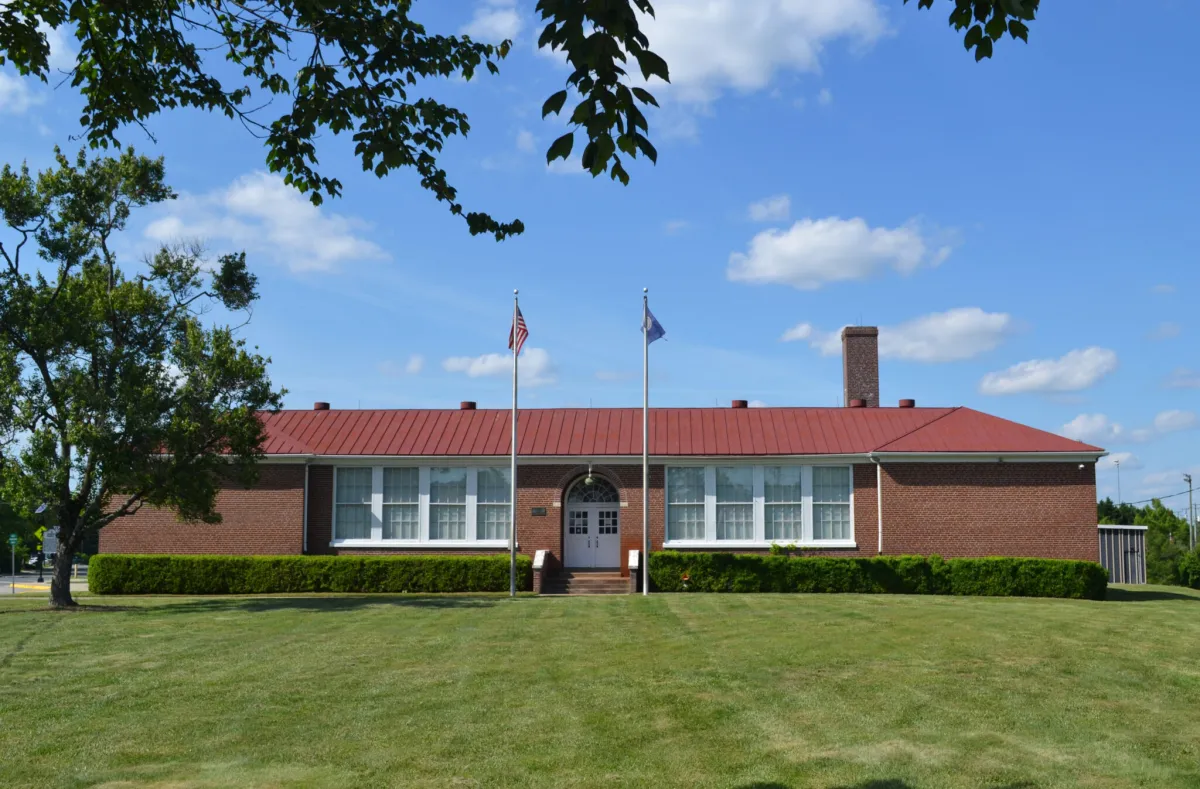 Photo: Moton High School, via www.dhr.virginia.gov
The Black students of Moton were expected to accept this. To be grateful, even, for what little they had. The adults in the community — tired, cautious, aware of exactly what pushback could cost them in a Southern county in 1951 — mostly swallowed their frustration and told their children to do the same.
Barbara Johns was sixteen years old, and she was done swallowing it.
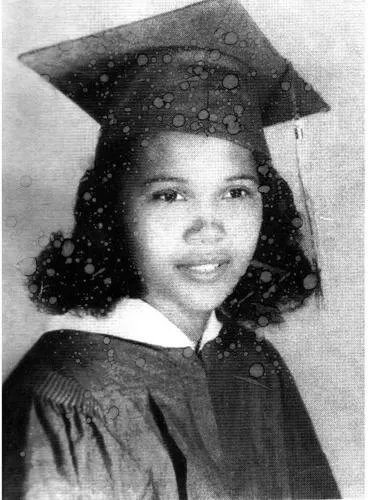 Photo: Barbara Johns, via bloximages.chicago2.vip.townnews.com
A Plan Hatched in Quiet
What makes Barbara's story so remarkable isn't just what she did — it's how she did it. She didn't have legal training. She had no political connections. She wasn't backed by an organization or emboldened by a movement that had already started rolling. She was a teenager who went to church, helped around her family's home, and quietly seethed at the injustice she sat inside every single school day.
She started meeting in secret with a small group of fellow students. The planning was meticulous for someone her age — almost startling in its discipline. She knew the walkout had to be student-led, not parent-led, because the adults in the community could be pressured, threatened, fired from jobs, or worse. The students had a kind of protection in their youth, at least initially. Nobody expected the kids to be the ones who moved first.
On April 23, 1951, Barbara pulled it off. She lured the school principal away from the building with a fake note, then sent forged messages to classrooms summoning students to an assembly. When everyone gathered in the auditorium, expecting a routine announcement, Barbara stepped to the podium instead.
She told them the truth. She told them what they already knew but hadn't yet said out loud together. And then she asked them to walk out.
Nearly all 450 students followed her into the street.
The Call That Changed Everything
Within days, Barbara and her fellow students had reached out to the NAACP, specifically to attorneys Oliver Hill and Spottswood Robinson. The lawyers arrived expecting to redirect the students toward a petition for a better segregated school. Instead, they found a teenager who had already decided that a better segregated school wasn't good enough. Barbara wanted to challenge segregation itself.
Hill and Robinson were taken aback. This wasn't the cautious, incremental approach most adults in the movement were working with. But something about the conviction in that room — in Barbara specifically — changed their calculus. They agreed to take the case, on one condition: the students' parents had to sign on.
The parents, terrified of retaliation, agreed anyway. Because their children had already shown them what courage looked like.
The case that emerged, Davis v. County School Board of Prince Edward County, became one of the five cases bundled together under the landmark Brown v. Board of Education ruling in 1954. The Supreme Court's decision dismantled the legal foundation of segregated public schooling in America. It is one of the most consequential legal decisions in the country's history.
Barbara Johns was the spark that lit one of its fuses.
What Obscurity Costs
Ask most Americans who started the civil rights movement in education, and you'll hear Rosa Parks. You might hear Thurgood Marshall. You almost certainly won't hear Barbara Johns — even though her act of defiance predated Rosa Parks' refusal to give up her bus seat by four years.
The reasons for her absence from the popular narrative are complicated. Partly it's the nature of collective history — movements need symbols, and symbols tend to be singular and dramatic rather than plural and nuanced. Partly it's that Barbara herself, after receiving death threats, was quietly sent to live with her uncle in Montgomery, Alabama, for her own safety. She finished high school there, went to college, became a librarian, and lived a relatively quiet life until her death in 1991.
She didn't campaign for recognition. She didn't write a memoir or give many interviews. She simply moved forward, the way people who do genuinely brave things often do — not because they want a monument, but because they couldn't imagine doing anything else.
What a Sixteen-Year-Old Understood That Adults Didn't
There's a lesson buried in Barbara's story that goes beyond civil rights history. It's about the peculiar power of someone who hasn't yet learned to be afraid of the consequences. The adults around her had been worn down by years of navigating a system designed to exhaust them. Barbara hadn't been worn down yet. She was still operating on the raw fuel of what was obviously, plainly, undeniably wrong.
That fuel turned out to be exactly what the moment needed.
She didn't rise from wealth or political power or legal expertise. She rose from a leaking roof and a tar-paper shack and a righteous fury that refused to be polite about injustice any longer. The institutions that were supposed to protect her had failed her. So she built her own intervention, with the tools she had — her voice, her classmates, and an absolute refusal to accept the story she'd been handed.
That's not just a civil rights story. That's the American story at its most honest and most hopeful.
Farmville, Virginia eventually got its new school. It took a lawsuit that reached the highest court in the land, organized by a teenager who hadn't even finished tenth grade when she started. If that doesn't make you reconsider what's possible, nothing will.