Ash, Dust, and Breakthrough: The Catastrophes That Accidentally Invented Modern America
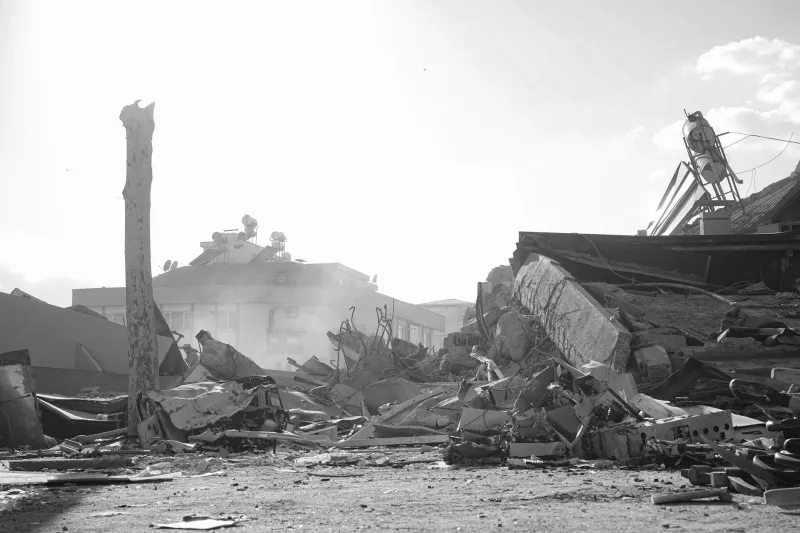
Here's an uncomfortable truth about American innovation: a lot of it smells like smoke.
The country's most enduring breakthroughs — in engineering, public health, agriculture, and urban design — didn't emerge from comfort. They came from collapse. From fires that leveled cities. From droughts that turned topsoil to powder. From floods that swallowed towns whole.
There's a pattern buried inside American catastrophe, and once you see it, you can't unsee it. Disaster doesn't just destroy. Sometimes, in the wreckage, it clears just enough space for someone with nothing left to lose to try something that would never have been permitted otherwise.
Here are five moments when America broke — and accidentally built something extraordinary in the process.
1. The Great Chicago Fire (1871): The Catastrophe That Invented the Modern City
On the night of October 8, 1871, roughly a third of Chicago burned to the ground. About 300 people died. Nearly 100,000 were left homeless. Seventeen thousand buildings vanished in under 48 hours.
It was, by any measure, a disaster. It was also, accidentally, the greatest urban planning opportunity in American history.
With the city reduced to ash, a generation of architects descended on Chicago with ideas that had been considered too radical, too expensive, or too disruptive to implement in an existing cityscape. William Le Baron Jenney, Daniel Burnham, Louis Sullivan — these weren't fringe figures. They were the people who essentially invented the American skyscraper and the concept of modern urban infrastructure.
Jenney's Home Insurance Building, completed in 1885, is generally credited as the world's first skyscraper. It only existed because Chicago's devastation created the blank canvas that conventional cities never permit. The fire didn't just rebuild Chicago. It invented the template for every major American city that followed.
2. The Johnstown Flood (1889): The Disaster That Created American Disaster Response
On May 31, 1889, a poorly maintained dam above Johnstown, Pennsylvania, collapsed after days of heavy rain. The wall of water that followed killed more than 2,200 people — at the time, the deadliest peacetime disaster in American history.
What emerged from the wreckage was something the country had never really had before: a coordinated national response to civilian catastrophe.
Clara Barton, who had founded the American Red Cross eight years earlier, arrived in Johnstown with a team of volunteers and stayed for five months. Johnstown was the organization's first major domestic disaster operation, and it proved the concept. The systems Barton developed there — rapid deployment, centralized supply chains, coordinated volunteer networks — became the operational blueprint for disaster relief that the Red Cross still uses today.
Johnstown didn't just test the Red Cross. It built it into something the country couldn't imagine functioning without.
3. The San Francisco Earthquake (1906): The Rubble That Built Modern Engineering
The earthquake that struck San Francisco at 5:12 a.m. on April 18, 1906, and the fires that followed, killed an estimated 3,000 people and destroyed roughly 28,000 buildings. It remains one of the deadliest natural disasters in American history.
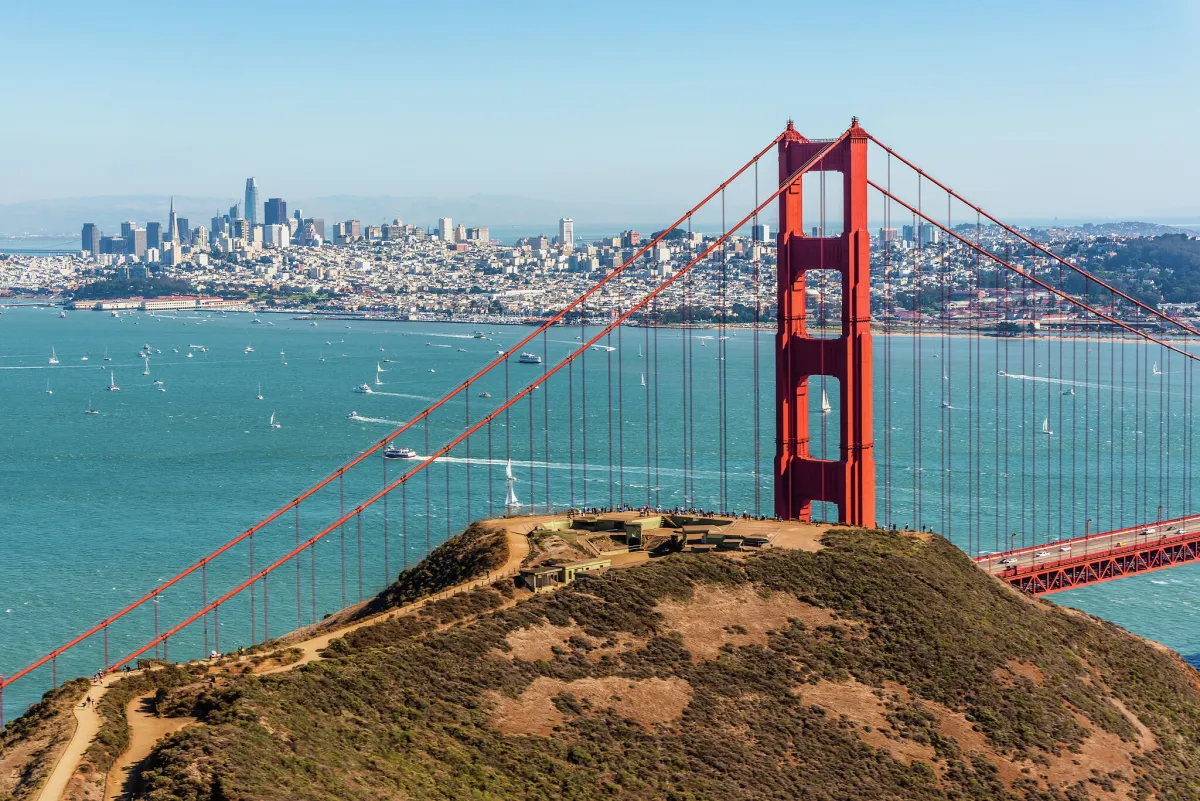 Photo: San Francisco, via s.hdnux.com
But the engineers who studied the wreckage found something unexpected. The buildings that survived — and some did — had been constructed with specific techniques that the profession had largely dismissed as overcautious and expensive. The disaster became a crash course in what actually works when the ground moves.
The lessons pulled from San Francisco's ruins directly shaped the development of modern seismic engineering. Building codes that had been considered unnecessary bureaucracy became mandatory. Structural standards were rewritten. The entire field of earthquake-resistant construction — which now protects millions of people across the American West and beyond — was essentially born in the gap between what survived 1906 and what didn't.
4. The Dust Bowl (1930s): The Agricultural Collapse That Invented Soil Science
By the mid-1930s, poor farming practices had stripped the topsoil from millions of acres across the Great Plains. Massive dust storms — some visible from space — buried farms, choked livestock, and drove hundreds of thousands of families off their land in one of the most prolonged environmental disasters the country has ever experienced.
Out of that wreckage came Hugh Hammond Bennett, a soil scientist who had been warning about erosion for years and getting politely ignored. The Dust Bowl wasn't just a tragedy. For Bennett, it was evidence. In 1935, he testified before Congress about the crisis — and, in a moment that has since become legendary, timed his testimony to coincide with a massive dust storm that was rolling toward Washington, D.C. that very day.
When the sky outside the Capitol windows turned brown, Bennett paused and gestured at the window. "This, gentlemen," he reportedly said, "is what I'm talking about."
Congress passed the Soil Conservation Act within weeks. The agency Bennett led — now the Natural Resources Conservation Service — still exists. Modern sustainable agriculture, soil conservation policy, and the entire framework of land stewardship in the United States traces directly back to the catastrophe that finally made people listen.
5. The Triangle Shirtwaist Fire (1911): The Tragedy That Built the American Labor Movement
On March 25, 1911, a fire broke out on the upper floors of the Triangle Shirtwaist Factory in New York City. Exit doors had been locked to prevent workers from taking unauthorized breaks. 146 people died — most of them young immigrant women.
 Photo: Triangle Shirtwaist Factory, via www.fullpotentialtutor.com
The public fury that followed was unlike anything American labor politics had seen. Two women in particular — Frances Perkins, who witnessed the fire from the street, and Rose Schneiderman, a labor organizer who channeled grief into ferocity — turned that fury into legislation.
Perkins went on to become Franklin Roosevelt's Secretary of Labor, the first woman ever appointed to a U.S. Cabinet position. She was the primary architect of the New Deal's labor protections — the 40-hour workweek, minimum wage laws, Social Security, unemployment insurance. She later said that the New Deal began on the day she stood on a Greenwich Village sidewalk watching women fall from burning windows.
The Triangle fire didn't just change labor law. It changed what Americans believed the government owed its workers.
The Pattern in the Wreckage
Look at these five moments together and something becomes clear. American catastrophe has a strange habit of producing exactly the people and ideas that the status quo had been blocking. Not because suffering is good — it isn't. But because collapse has a way of removing the barriers that comfortable systems spend enormous energy maintaining.
When everything burns down, the people who were already being ignored suddenly have room to be heard. The engineer whose warnings were dismissed, the organizer whose proposals were shelved, the scientist whose data was inconvenient — disaster has a way of making them the most important person in the room.
America's darkest chapters were also, quietly, its most generative. That's not a reason to welcome catastrophe. It's a reason to pay attention to the people already warning you — before the fire starts.