The Magnificent Seven-Oh: When America's Greatest Work Finally Arrived
The Myth of Young Genius
America worships at the altar of young achievement. We celebrate tech billionaires who drop out of college, athletes who peak in their twenties, and artists who die young and beautiful. But this obsession with early success blinds us to a more remarkable truth: some of the most extraordinary American achievements came from people who were supposedly past their prime.
These stories matter because they challenge our assumptions about when greatness arrives. In a culture that treats 40 as over-the-hill and 60 as retirement-ready, these late bloomers remind us that the most profound work often requires decades of living, failing, and learning before it's ready to emerge.
The Prairie Girl Who Waited Sixty-Five Years to Tell Her Story
Laura Ingalls Wilder had lived a full life by any measure before she ever thought about writing professionally. Born in 1867, she had survived frontier childhood, economic hardship, the death of a son, and decades of farming alongside her husband Almanzo. At 62, she was a farm wife in Missouri with no literary aspirations beyond writing for the local newspaper.
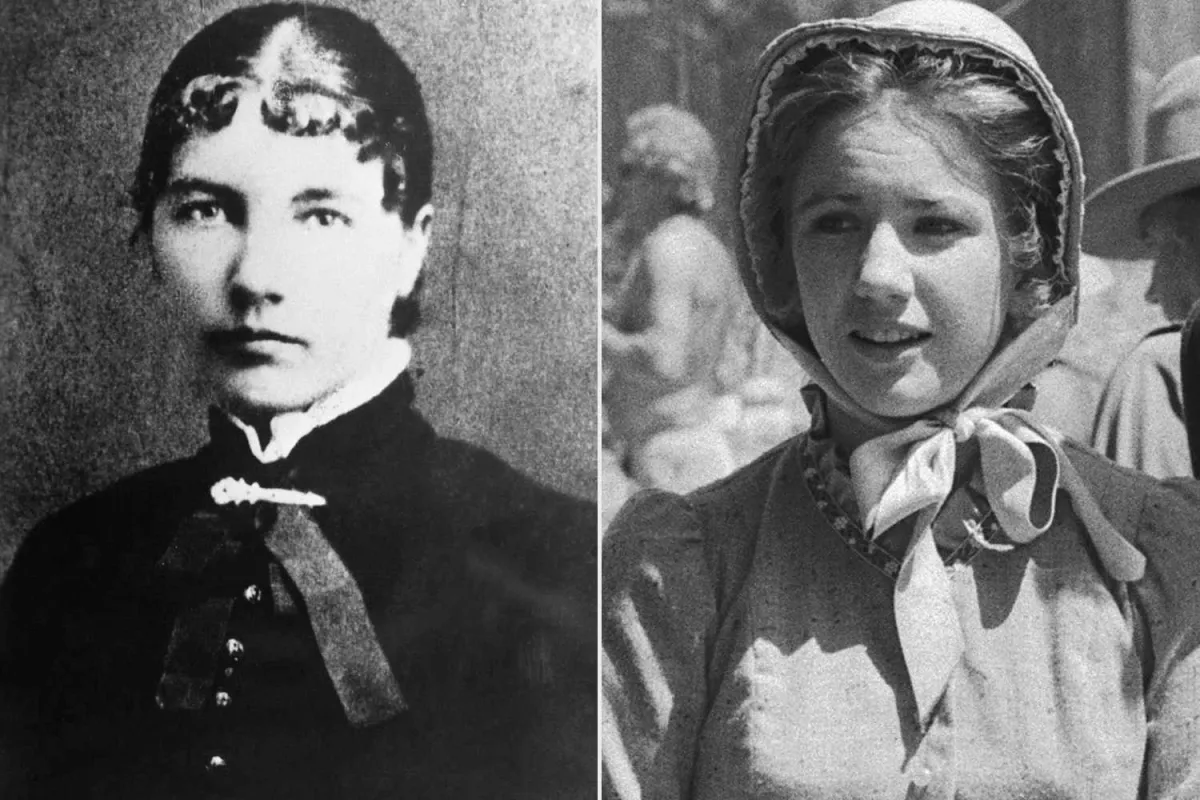 Photo: Laura Ingalls Wilder, via people.com
But when the Great Depression hit, Wilder's daughter Rose encouraged her to transform childhood memories into publishable stories. What emerged wasn't just nostalgia—it was a masterpiece of American literature that captured the frontier experience with authenticity no younger writer could have achieved.
"Little House in the Big Woods" appeared in 1932 when Wilder was 65. The book succeeded because it drew from seven decades of lived experience, not imagination. Wilder's descriptions of frontier life carried the weight of actual memory, the texture of hands that had churned butter and survived blizzards. Her age wasn't a disadvantage—it was her greatest asset.
The Little House series became one of the most beloved collections in American children's literature, spawning television adaptations and inspiring countless readers. Wilder's success proved that some stories can only be told by people who have lived long enough to understand their full meaning.
The Farmer's Wife Who Painted America
Anna Mary Robertson Moses—known to the world as Grandma Moses—didn't pick up a paintbrush until arthritis made embroidery too painful. She was 78 years old, a widow living with her son on a New York farm, when she decided to try painting pictures instead of stitching them.
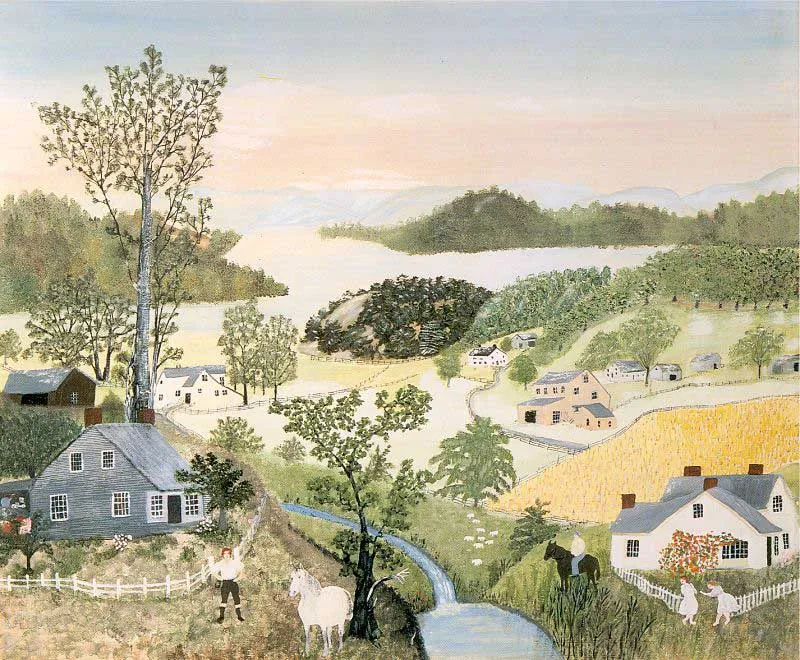 Photo: Anna Mary Robertson Moses, via dailyartfixx.com
Moses had no formal training, no art education, no exposure to galleries or museums. What she had was eight decades of rural American life stored in her memory and a naive painting style that captured scenes with startling emotional honesty. Her paintings depicted barn raisings, maple syrup harvests, and country fairs with the precision of someone who had participated in these activities for most of a century.
A New York art collector discovered Moses's work in a drugstore window in 1938. Within two years, she was exhibiting at galleries in Manhattan. Her primitive style and authentic subject matter appealed to Americans hungry for connection to their rural past. Moses painted over 1,500 works between age 78 and her death at 101, proving that artistic vision could emerge at any stage of life.
Her success challenged art world assumptions about training, technique, and timing. Moses painted what she knew, when she was finally ready to share it, creating a body of work that captured American rural life with unmatched authenticity.
The Colonel Who Franchised at Sixty-Five
We've already mentioned Colonel Harland Sanders in the context of his military service, but his most remarkable achievement came much later. Sanders was 62 when he lost his restaurant due to interstate highway construction. Most people would have considered this the end of their career. Sanders saw it as the beginning.
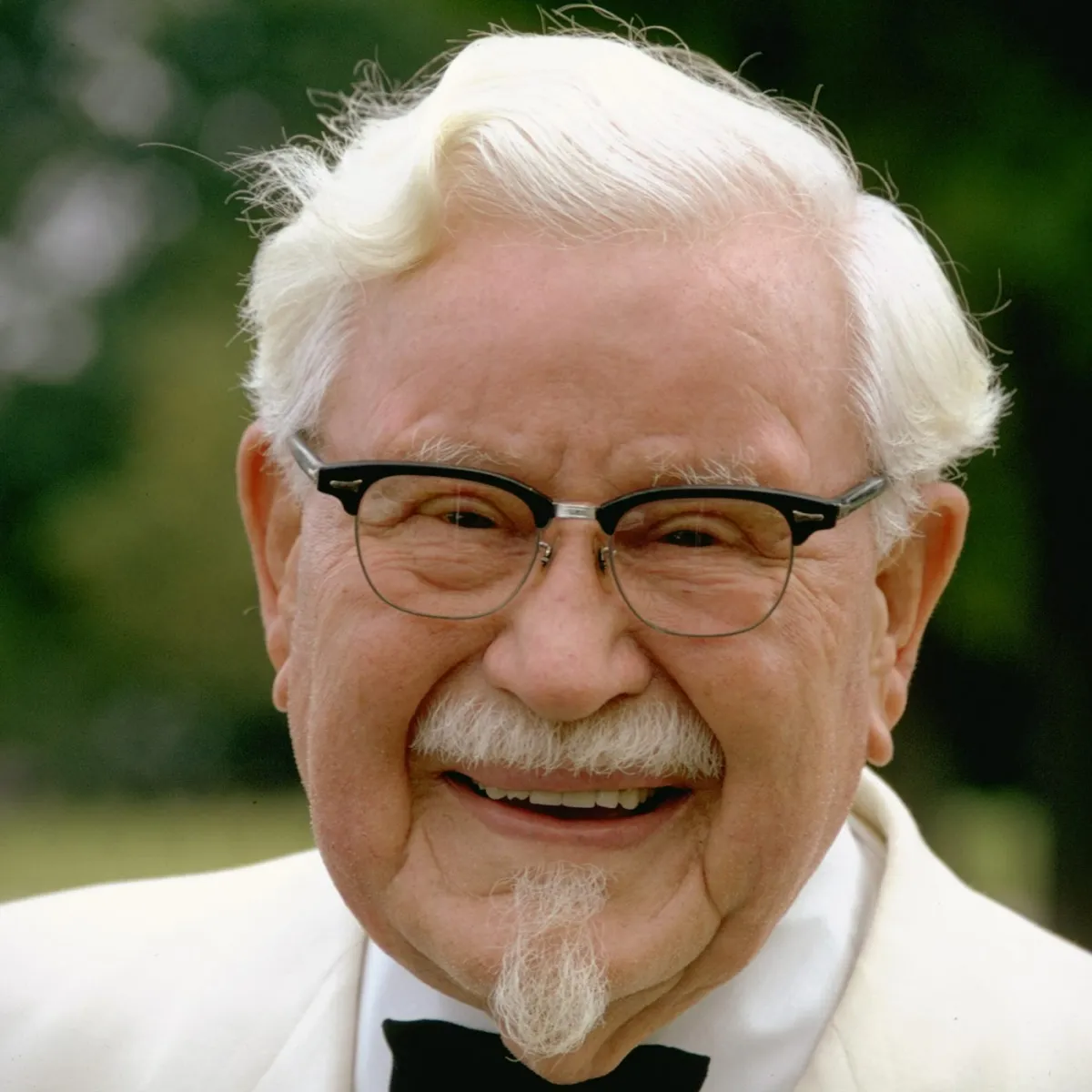 Photo: Colonel Harland Sanders, via hips.hearstapps.com
With a $105 Social Security check and a secret chicken recipe, Sanders began driving across the country, cooking for restaurant owners and asking them to franchise his Kentucky Fried Chicken concept. He slept in his car and was rejected over 1,000 times before finding his first partner.
Sanders's age actually helped his pitch. Restaurant owners trusted a grandfather figure more than they would have trusted a young entrepreneur. His white suit and Kentucky colonel persona suggested stability and tradition—qualities that franchisees valued. By age 73, Sanders had built KFC into a national chain and sold the company for millions.
The Seamstress Who Sewed Success at Sixty-Four
Maggie Lena Walker spent four decades working in Richmond's insurance industry before launching the business venture that would make her famous. In 1903, at age 64, Walker founded St. Luke Penny Savings Bank, becoming the first Black woman to charter a bank in the United States.
Walker's decades of experience in fraternal organizations and insurance companies had taught her how to build trust within Black communities. Her age and reputation gave her credibility that younger entrepreneurs couldn't have achieved. The bank succeeded because customers trusted Walker's judgment, earned through decades of community service.
St. Luke Penny Savings Bank became a cornerstone of Black economic development in Richmond, proving that some kinds of success require the deep community relationships that only develop over decades.
The Novelist Who Found Her Voice at Seventy-Nine
Penelope Fitzgerald published her first novel at age 60 but didn't hit her stride until much later. Her masterpiece, "The Blue Flower," appeared when Fitzgerald was 80, winning the National Book Critics Circle Award and establishing her as one of the finest novelists of her generation.
Fitzgerald's late success resulted from a lifetime of reading, observing, and understanding human nature. Her novels possessed a depth of psychological insight that could only come from eight decades of watching people navigate love, loss, and compromise. Age hadn't diminished her creativity—it had refined it to its essence.
The Mathematics of Late Bloomers
These stories reveal a pattern that challenges American assumptions about peak performance. Late bloomers often succeed precisely because they've had time to develop the wisdom, perspective, and authenticity that great work requires. Their achievements aren't diminished by late arrival—they're enhanced by the depth that only comes with extensive life experience.
In a culture obsessed with young genius, these late bloomers remind us that some kinds of excellence can't be rushed. The most profound achievements often require decades of preparation, failure, and growth before they're ready to emerge.
The Patience of Greatness
Perhaps the most important lesson from these late bloomers is about patience—both their own and society's. They didn't rush toward success; they allowed it to develop naturally from their accumulated experience and wisdom. Their stories suggest that instead of mourning opportunities we think we've missed, we might consider what we're still preparing to create.
In an America that celebrates instant success and early achievement, these remarkable individuals proved that the most extraordinary work often arrives precisely when we're supposedly too old to matter. Their legacy challenges us to reconsider our assumptions about timing, potential, and the relationship between age and achievement.
Sometimes the greatest rises come not from ruin, but from ripeness—the patient accumulation of wisdom that only time can provide.