Death Gave Him Power: How a Funeral Director's Parlor Became the Cradle of Civil Rights

The Business of the Dead, The Work of the Living
James "Big Jim" Henderson never planned to bury segregation alongside the bodies that came through his funeral home. But in 1943 rural Alabama, being an undertaker meant more than preparing the deceased for their final rest—it meant becoming one of the few Black men in town who couldn't be fired, evicted, or economically strangled by white supremacists.
 Photo: James Henderson, via ic-cdn.flipboard.com
While teachers, ministers, and shopkeepers lived at the mercy of white employers and landlords, Henderson owned his business outright. Death, it turned out, was the one service that transcended racial lines. White families might not shake his hand, but they needed his expertise when tragedy struck their own homes.
The Mortician's Immunity
Henderson's funeral parlor on Dexter Avenue occupied a strange space in segregated Montgomery. By day, he prepared bodies with the same meticulous care regardless of the deceased's race. By night, his embalming room became something far more dangerous—a meeting place where civil rights organizers could gather without fear of economic retaliation.
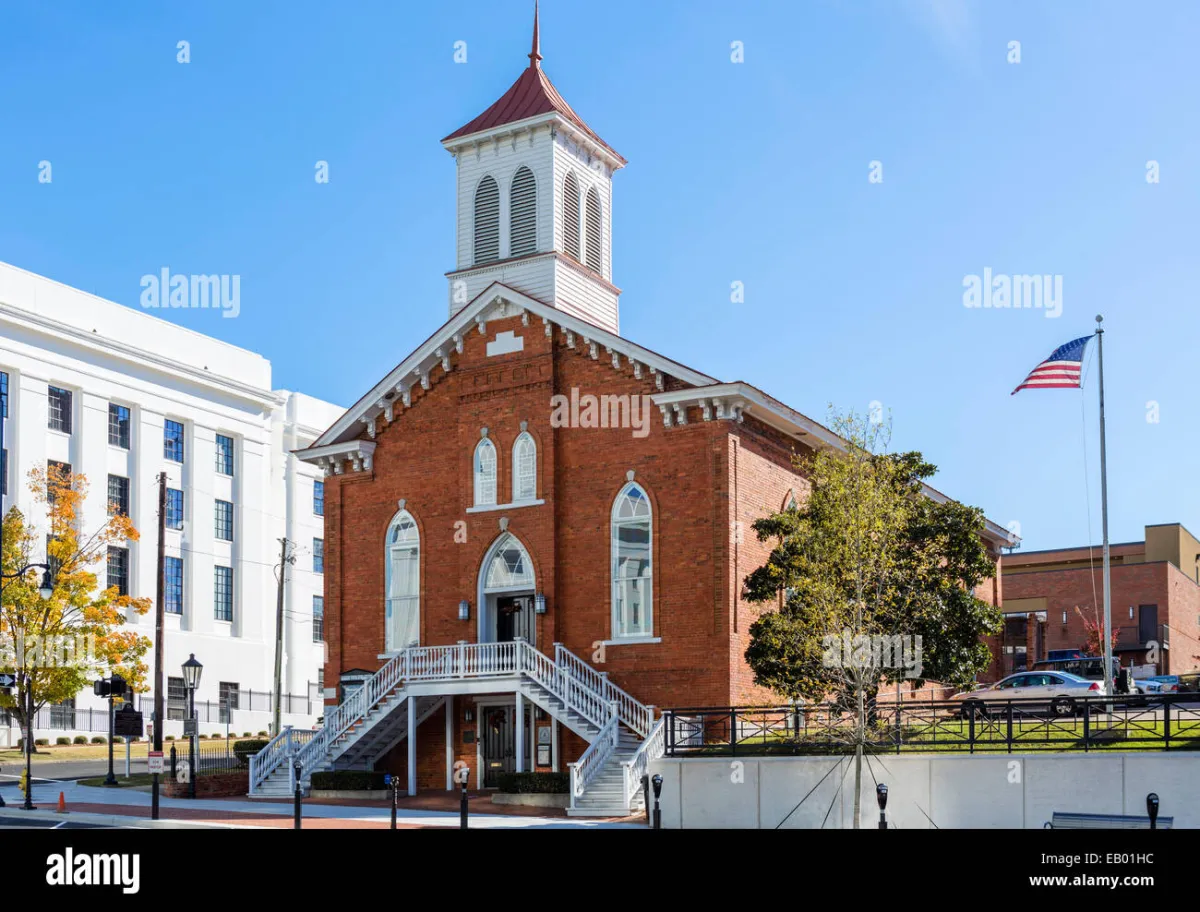 Photo: Dexter Avenue, via c8.alamy.com
The funeral business had created an accidental class of Black entrepreneurs who possessed what their contemporaries desperately lacked: financial independence. Henderson didn't rely on white customers for his livelihood. Grief and death visited every family, and Black families trusted him with their most sacred moments.
"They couldn't fire me," Henderson later recalled. "They couldn't evict me. They couldn't boycott my business. Death don't discriminate, and neither could they when it came to needing my services."
Secret Meetings in Sacred Spaces
The back rooms of Henderson's funeral home hosted strategy sessions that would reshape American democracy. Voting rights organizers met between caskets and flower arrangements, planning registration drives while surrounded by the tools of Henderson's trade. The location was perfect—who would suspect a funeral director's parlor of harboring revolutionaries?
Henderson's legitimate business provided cover for activities that could have gotten participants killed. When civil rights workers needed to move money, documents, or people through hostile territory, Henderson's hearse became an unlikely freedom vehicle. His professional respectability opened doors that remained locked to other activists.
The Economics of Liberation
What made Henderson's story remarkable wasn't just his courage—it was his economic position. While other civil rights leaders faced constant financial pressure, Henderson's business thrived during the movement's most dangerous years. Families saved for months to afford proper burials, and Henderson's reputation for dignity and excellence made him indispensable to both Black and white communities.
This financial stability allowed Henderson to take risks that would have bankrupted other activists. He could afford to post bail for arrested protesters. He could fund voter registration drives from his own pocket. Most importantly, he could speak truth to power without fearing for his family's next meal.
The Network of Undertakers
Henderson wasn't alone. Across the South, Black funeral directors formed an informal network of civil rights supporters. Their hearses carried more than bodies—they transported messages, money, and hope between isolated communities. Their funeral homes served as unofficial headquarters for local NAACP chapters and voter registration efforts.
These men understood something profound about power: economic independence was the foundation of political freedom. They had built businesses that white supremacists needed but couldn't control, creating pockets of Black autonomy in a system designed to eliminate such spaces.
Death as Teacher
Working with death had taught Henderson lessons that served the civil rights movement well. He understood that change, like grief, came in stages. He knew how to comfort families in their darkest moments and guide them toward acceptance. These skills translated perfectly to movement work—helping communities process the trauma of oppression while building hope for transformation.
Henderson's daily confrontation with mortality also provided perspective that sustained him through the movement's most dangerous moments. Having witnessed the final equality that death brought to all people, he couldn't accept the artificial inequalities that segregation imposed on the living.
The Legacy of Liberation
By the time the Voting Rights Act passed in 1965, Henderson's funeral home had helped register thousands of Black voters across Alabama. His economic independence had created political possibilities that extended far beyond his own business. The man who had spent decades preparing bodies for burial had helped prepare an entire community for rebirth.
Henderson's story reveals a truth that extends beyond the civil rights era: sometimes the most powerful resistance comes from the most unexpected places. In a system designed to keep Black Americans economically dependent and politically powerless, funeral directors had accidentally created a form of independence that white supremacists couldn't touch.
The undertaker's son who buried segregation understood that true revolution often begins not with dramatic gestures, but with the quiet accumulation of economic power and community trust. In the end, Henderson proved that death could indeed be transformed into life—and that sometimes the most unlikely businesses become the foundations of extraordinary change.