The Night Everything Changed
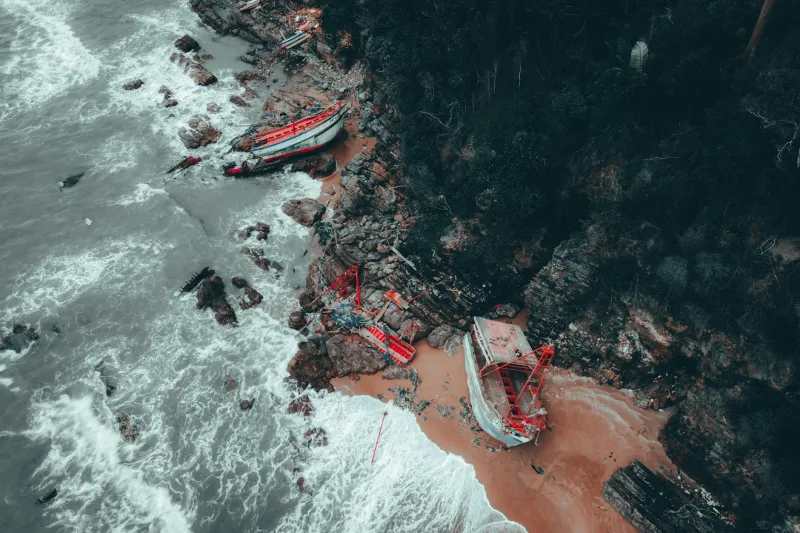
The Pacific Ocean doesn't forgive mistakes. On a fog-thick night in 1850, George Davidson learned this lesson the hardest way possible when his merchant vessel shattered against the jagged rocks off Point Reyes, California. As the ship broke apart beneath him, Davidson found himself clinging to debris in waters that had already become a graveyard for countless other vessels.
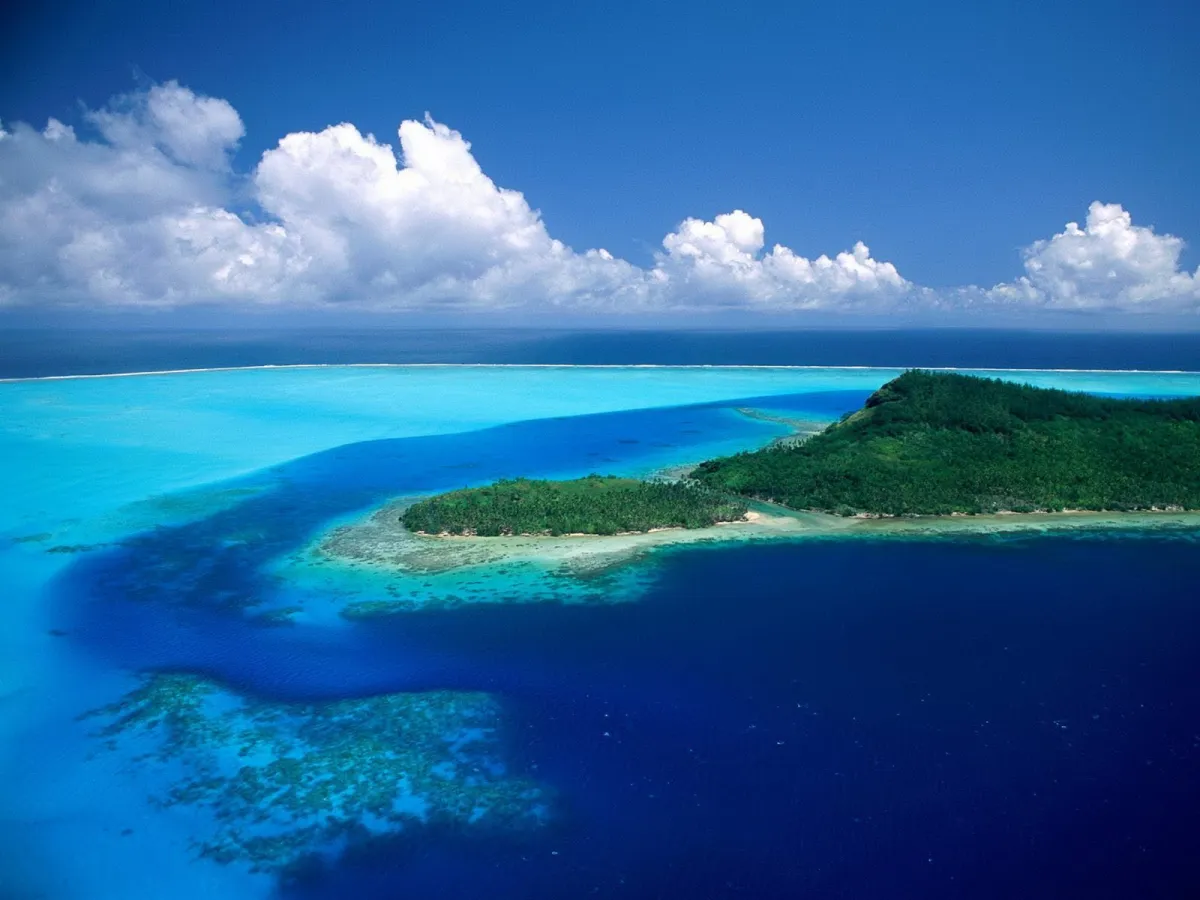 Photo: Pacific Ocean, via 2.bp.blogspot.com
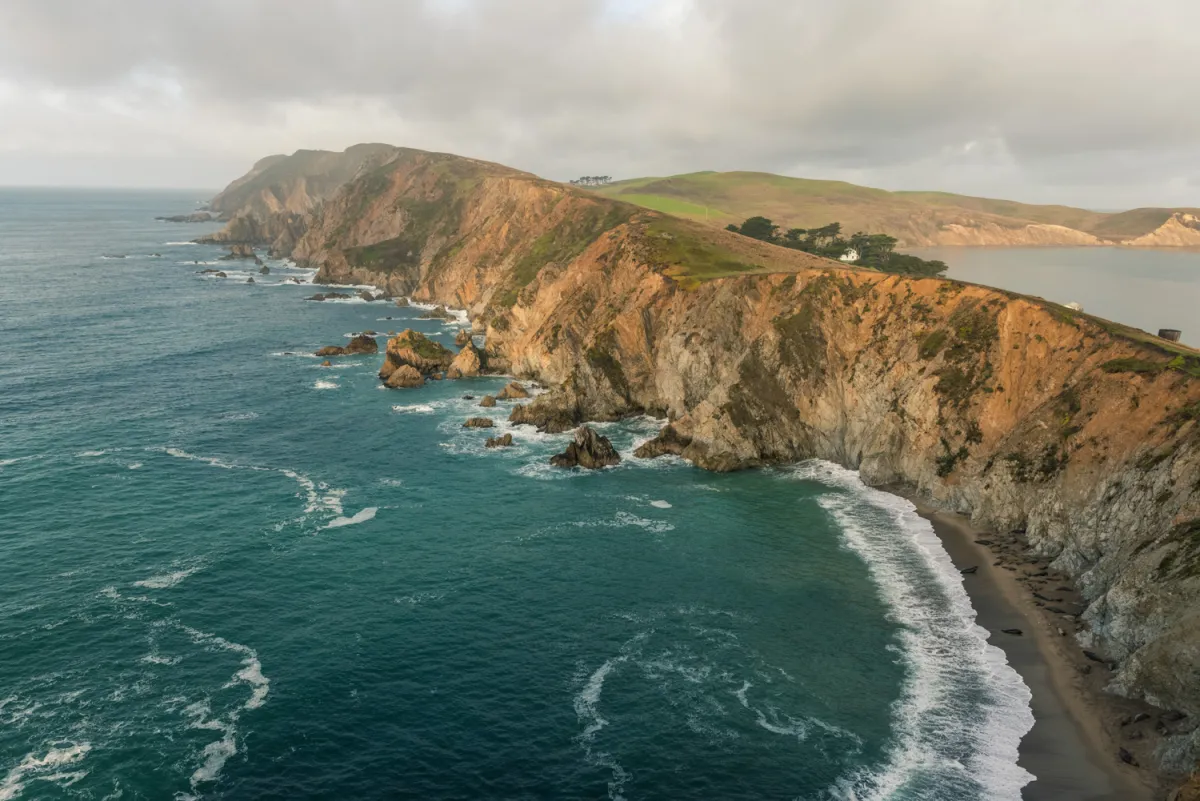 Photo: Point Reyes, California, via www.craiggoodwinphoto.com
 Photo: George Davidson, via georgedavidson.com
Most men who survived such an ordeal would never set foot on another ship. Davidson did something different entirely—he decided to map every deadly inch of the coast that nearly killed him.
The Graveyard Coast
The California coastline in the mid-1800s was a navigator's nightmare. Ships carrying fortune-seekers to the Gold Rush regularly vanished without explanation. Captains relied on crude charts that marked major landmarks but ignored the underwater hazards lurking just beneath the surface. The result was predictable: vessel after vessel met its end on unmarked reefs, hidden rocks, and shifting sandbars.
Davidson understood something his contemporaries missed. The same treacherous conditions that destroyed ships also held the key to conquering them. Every wreck revealed crucial information about underwater topography. Every near-miss exposed a hidden danger. The coast wasn't just claiming lives—it was teaching lessons to anyone willing to learn.
Mapping Disaster
What Davidson lacked in formal maritime training, he made up for in bitter experience. He began systematically cataloging every hazard along the Pacific coast, using his own wreck as a starting point. Where other surveyors worked from the safety of established harbors, Davidson ventured into the exact waters that had nearly claimed his life.
His method was simple but revolutionary: instead of avoiding dangerous areas, he sought them out. Davidson would anchor his survey vessel as close as possible to known wrecking sites, then use small boats to probe the underwater terrain. He mapped not just the obvious rocks that broke the surface, but the submerged ledges and sudden depth changes that caught ships by surprise.
The work was painstaking and perilous. Davidson's crews regularly found themselves navigating the same conditions that had destroyed previous vessels. But this proximity to danger gave his charts something no other maps possessed: the perspective of actual disaster.
The Human Cost of Bad Maps
Every inaccurate chart meant real lives lost. Davidson understood this in a way his desk-bound colleagues never could. He had felt the ship disintegrate beneath his feet, had swallowed seawater while watching other men disappear into the darkness. That experience drove him to a level of precision that bordered on obsession.
Davidson didn't just mark hazards—he graded them by severity and described the specific conditions that made them dangerous. His charts included detailed notes about fog patterns, seasonal current changes, and the subtle visual cues that could warn captains away from disaster. He was creating not just maps, but survival manuals written in the language of near-death experience.
Building an Empire on Broken Ships
What started as personal survival instinct eventually became the foundation of American maritime commerce on the Pacific. Davidson's charts were so accurate and comprehensive that they became the standard for every major shipping company operating on the West Coast. Insurance companies reduced premiums for vessels using Davidson's maps. The U.S. Navy adopted his surveys as official navigation aids.
By the 1870s, Davidson had transformed from shipwreck survivor to the most trusted name in Pacific navigation. His Coast Survey office in San Francisco became the nerve center for maritime safety across the entire western seaboard. Ship captains would delay voyages rather than sail without his latest updates.
The Irony of Expertise
The man who became America's foremost expert on safe navigation had learned everything he knew from catastrophic failure. Davidson's credentials came not from maritime academies or naval service, but from the intimate knowledge of how ships die. His expertise was built on disaster, refined by near-misses, and validated by the lives he saved.
This unconventional path to mastery gave Davidson insights that traditionally trained navigators missed entirely. He understood danger not as an abstract concept to be avoided, but as a teacher to be studied. Every hazard he mapped was a lesson learned the hard way, either by him or by the countless vessels that hadn't been as fortunate.
Legacy Written in Safe Passage
By the time Davidson retired, shipping losses along the California coast had dropped by more than 80 percent. The waters that once claimed ships weekly became some of the safest shipping lanes in the world. His charts remained the gold standard for Pacific navigation well into the twentieth century.
George Davidson proved that sometimes the best teachers are disasters themselves. His story reminds us that expertise doesn't always come from classrooms or credentials—sometimes it comes from surviving what others couldn't, then having the courage to return to the scene of your own near-destruction and make it safer for everyone who follows.
The man who lost everything in a shipwreck spent the rest of his life ensuring that others wouldn't have to face the same fate. In the end, Davidson's greatest navigation was finding a way to turn personal catastrophe into public salvation.