The Boy Nobody Wanted to Play With
In the mill town of Latrobe, Pennsylvania, during the 1930s, toughness was currency and Fred Rogers was bankrupt. Overweight, sickly, and painfully shy, he watched from windows as other children played games he was never invited to join. His classmates called him "Fat Freddy" when they bothered to notice him at all. Most days, they didn't.
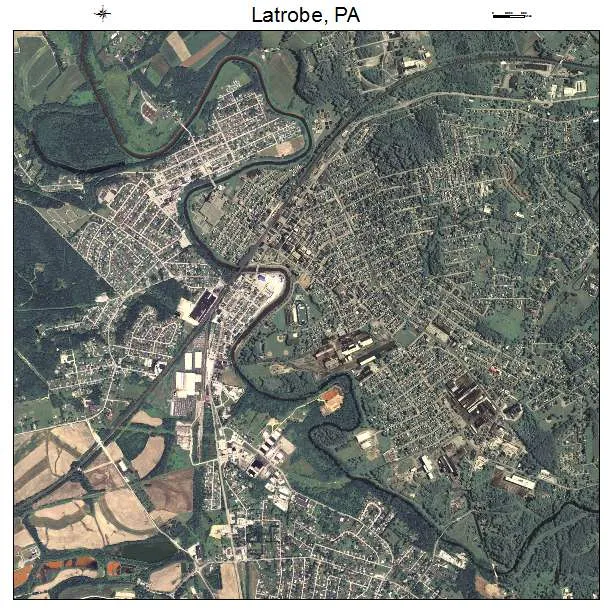 Photo: Latrobe, Pennsylvania, via www.landsat.com
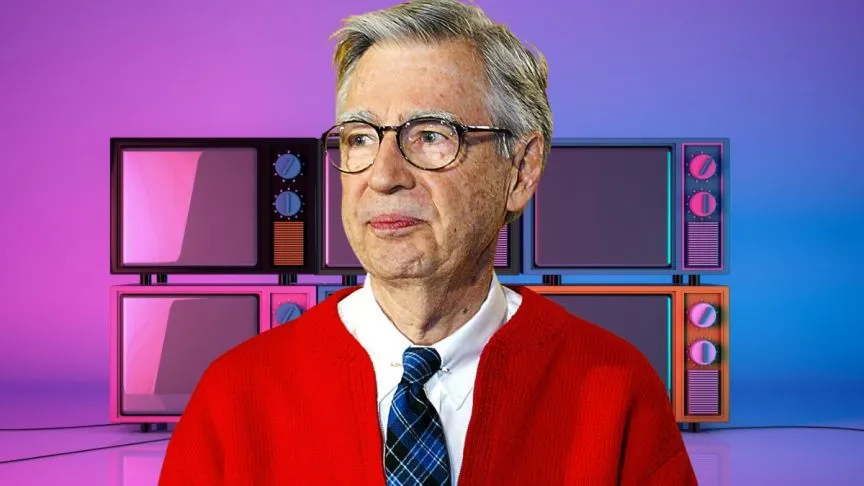 Photo: Fred Rogers, via entertainmentnow.com
While other boys learned to throw punches and talk tough, Fred learned something different: the geography of loneliness. He understood what it felt like to be invisible, to have your voice shake when you tried to speak up, to go home every day wondering what was wrong with you that made everyone else turn away.
That pain would have broken most children. Instead, it became Fred's secret weapon.
Sanctuary in the Attic
Fred's refuge was his grandfather's attic, where he spent hours creating elaborate worlds with puppets and toy figures. Up there, away from the cruelty of classmates and the expectations of adults, he could be anyone he wanted to be. More importantly, he could create characters who were kind to each other, who listened when someone was scared, who never made anyone feel small or stupid or alone.
Those attic sessions weren't just play—they were training. Fred was unconsciously developing the skills that would later make him television's most trusted voice for children. He was learning how to speak to the parts of people that hurt, how to create safe spaces in an unsafe world, how to make the invisible feel seen.
His parents, well-meaning but distant, never quite understood their sensitive son. They sent him to boarding school, hoping structure and discipline might toughen him up. Instead, it deepened his isolation and sharpened his understanding of what children needed most: someone who saw their pain and didn't try to fix it, but simply acknowledged it was real.
The Calling Nobody Expected
Fred's path to children's television was as unlikely as everything else about him. He studied music composition, planning a quiet career behind a piano. But in 1951, he saw children's television for the first time and was horrified by what he witnessed: loud, aggressive programming that seemed designed to agitate rather than comfort young viewers.
Most people would have simply changed the channel. Fred saw an opportunity to heal the wounds he knew so well. He understood something that escaped every other children's programmer of his era: the medium's real power wasn't in entertainment, but in connection. Television could be a friend to the friendless, a voice for the voiceless, a refuge for children who felt as lost as he once had.
Building a Different Kind of Show
When "Mister Rogers' Neighborhood" premiered in 1968, it violated every rule of children's television. There were no cartoon characters, no slapstick comedy, no frantic pacing designed to hold short attention spans. Instead, Fred created something revolutionary: a program that moved at the speed of childhood emotion.
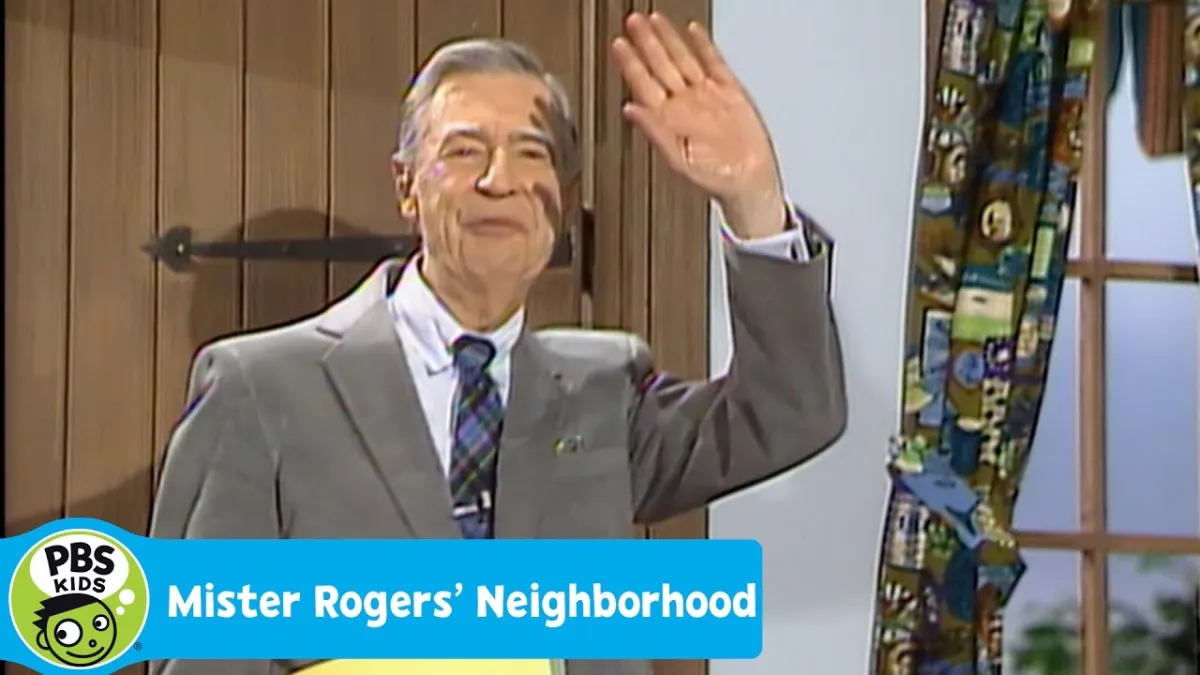 Photo: Mister Rogers' Neighborhood, via i.ytimg.com
He talked directly to the camera as if speaking to a single child, because that's exactly what he was doing. Every episode addressed the fears and confusions that adults typically dismissed as unimportant: What happens when you're angry? Is it okay to be scared? Why do people die? Fred answered these questions with the same careful attention he'd once given to his attic puppets.
The show's pace was deliberate, almost meditative. Fred understood that children needed time to process what they were feeling, that rushing past difficult emotions only made them stronger. His childhood experience of being overwhelmed and ignored had taught him the value of slowing down, of creating space for feelings to exist without judgment.
The Wisdom of Wounds
What made Fred Rogers extraordinary wasn't his education or his musical talent—it was his intimate knowledge of childhood pain. Every element of his program reflected lessons learned during his own difficult early years. When he talked about anger, he knew what it felt like to be powerless. When he addressed loneliness, he spoke from experience that ran bone-deep.
His famous puppets weren't just entertainment devices—they were embodiments of different aspects of childhood emotion. Daniel Tiger's shyness, Lady Aberlin's gentleness, King Friday's need for control—all reflected parts of Fred's own psychological landscape, refined through decades of understanding how children's minds actually worked.
Critics often mocked the show's earnestness, its refusal to embrace the cynicism that dominated popular culture. They missed the point entirely. Fred Rogers wasn't naive about the world's cruelty—he had experienced more of it than most. His optimism was hard-won, forged in the same fires that might have made him bitter.
Healing Three Generations
For thirty-three years, Fred Rogers used television to have the conversations he'd wished someone would have with him as a child. He told millions of children that they were valuable exactly as they were, that their feelings mattered, that they deserved to be loved not for what they accomplished but simply for existing.
The impact was immeasurable. Adults who grew up watching "Mister Rogers' Neighborhood" consistently report that his voice became an internal compass during difficult times. Parents used his techniques to talk with their own children about divorce, death, and other adult realities that once seemed impossible to explain.
Fred had taken his childhood wounds—the rejection, the loneliness, the sense of being different—and transformed them into healing for others. He proved that sometimes our greatest gifts emerge not from our strengths, but from our most painful vulnerabilities.
The Neighborhood That Never Ends
Fred Rogers died in 2003, but his influence continues to ripple through American culture. In an age of increasing cynicism and division, his example reminds us that gentleness isn't weakness—it's courage. That listening matters more than talking. That the children society overlooks often have the most to teach us.
The boy who was too fat, too sick, too sensitive for his tough Pennsylvania town grew up to become exactly what America's children needed: a voice that said their feelings mattered, their fears were valid, and their inherent worth could never be diminished by anyone else's opinion.
Fred Rogers transformed his childhood pain into a lifetime of healing others. In doing so, he proved that sometimes the people who hurt the most as children grow up to become exactly the adults the next generation needs most.