The Library Card That Changed Everything
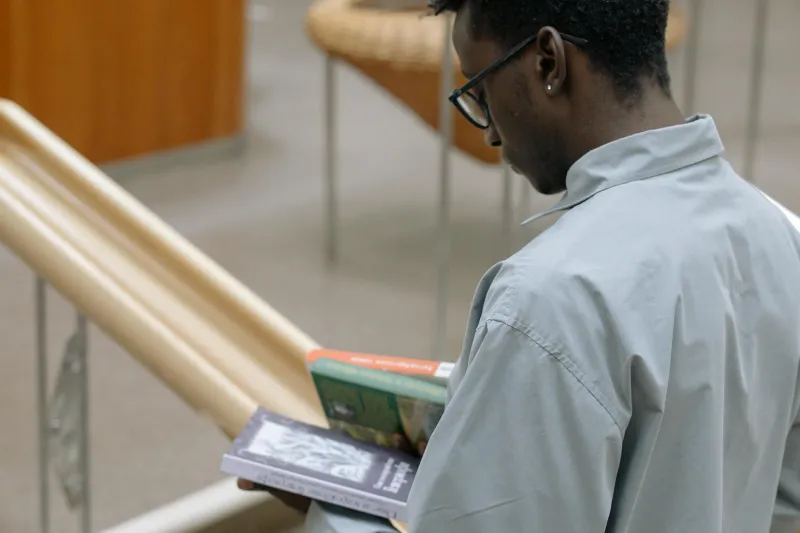
In 1925, a seventeen-year-old Black boy walked into the Memphis Public Library carrying a note that read: "Dear Madam: Will you please let this nigger boy have some books by H. L. Mencken?" The note was forged. The boy was Richard Wright, and this act of literary theft would eventually produce some of the most powerful American literature ever written.
 Photo: Memphis Public Library, via www.memphisbestguide.com
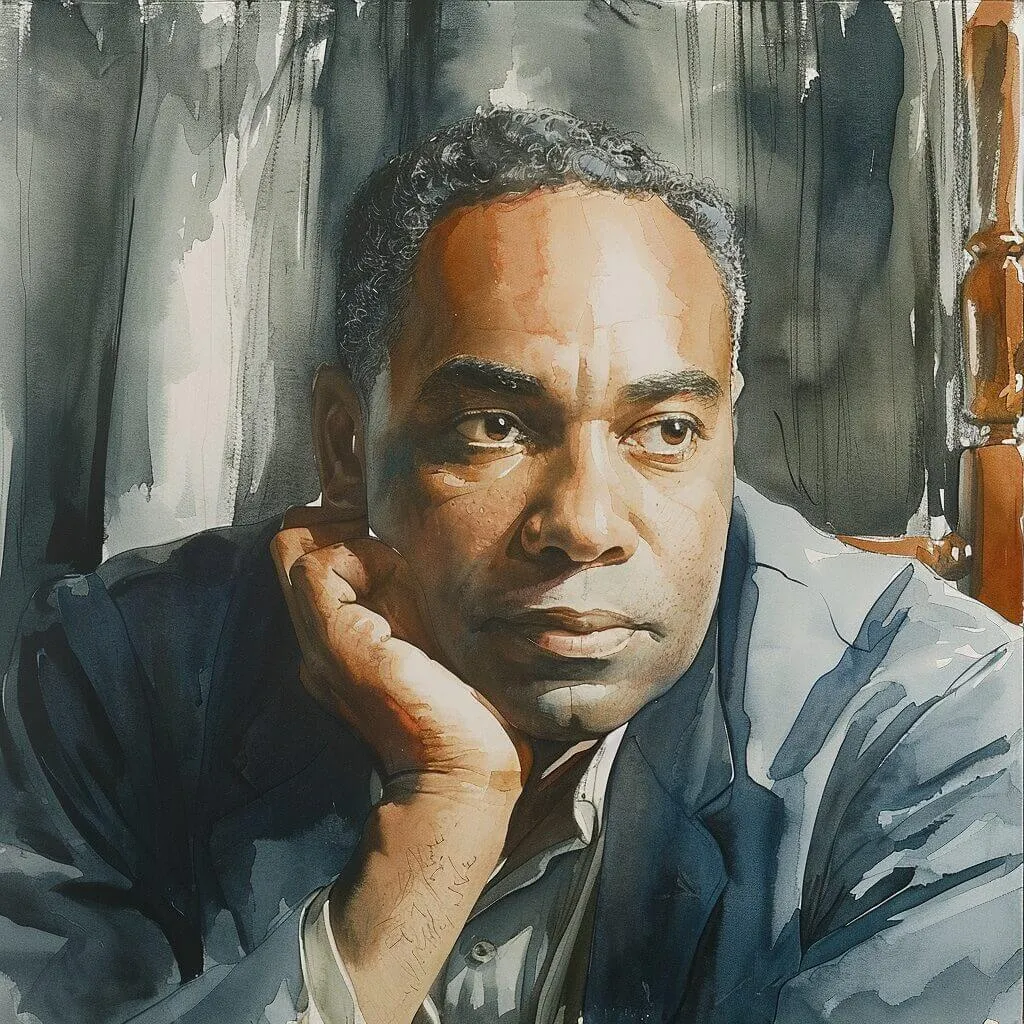 Photo: Richard Wright, via bookanalysis.com
Wright had borrowed the library card from an Irish coworker who was sympathetic to his hunger for books. In the Jim Crow South, this wasn't just rule-breaking—it was dangerous. But Wright had reached a breaking point. He'd been stealing moments to read discarded newspapers and magazines, teaching himself from whatever scraps of text he could find. The formal education system had failed him spectacularly: he'd attended school sporadically, moving constantly as his family searched for work and fled violence.
When Poverty Becomes Preparation
Most people see Wright's childhood as a series of devastating setbacks. Born on a plantation in Mississippi, he watched his father abandon the family when Wright was six. His mother suffered a stroke that left her partially paralyzed. Wright and his brother were shuttled between relatives, often going hungry, sometimes living in homes where books were viewed with suspicion or outright hostility.
But Wright was building something in those lean years that formal education might never have given him: an ear for the authentic voice of American struggle. While privileged writers studied literature in comfortable classrooms, Wright was living the raw material of his future masterpieces.
He worked as a delivery boy, a porter, a dishwasher—jobs that took him into every corner of Southern society. He saw how power moved, how fear operated, how people survived when the system was designed to crush them. Most importantly, he learned to observe without being noticed, a skill that would make him one of America's most penetrating social critics.
The Underground Education
That first smuggled library trip opened a floodgate. Wright devoured everything: Mencken's essays that showed him how language could be a weapon, Sinclair Lewis's novels that revealed the hypocrisies of American life, Theodore Dreiser's works that proved literature could tackle the grittiest realities.
He couldn't afford to buy books, so he became a literary spy. He memorized entire passages, took detailed mental notes, and practiced writing on whatever paper he could find—sometimes the backs of his employer's discarded forms. He taught himself grammar, style, and structure through pure observation and repetition.
The irony wasn't lost on him: the same society that denied him education was inadvertently creating the perfect conditions for a revolutionary writer. His exclusion from mainstream literary culture meant he had no choice but to develop an authentic voice that couldn't be manufactured in any classroom.
From Silence to Thunder
When Wright finally began publishing, the literary establishment wasn't prepared for what emerged. His 1940 novel "Native Son" didn't just tell a story—it grabbed American readers by the throat and forced them to confront realities they'd preferred to ignore. The book became a bestseller, but more importantly, it changed how Americans talked about race, poverty, and violence.
His autobiography "Black Boy" was equally explosive. Wright wrote about his childhood with a precision that only comes from having lived every detail without the cushion of privilege. Critics tried to dismiss his work as "too harsh" or "unrealistic," but Wright had something they couldn't argue with: the authority of lived experience.
The Weapon Forged in Darkness
What made Wright's success so remarkable wasn't just that he overcame poverty and racism—it's that he transformed those very obstacles into his greatest strengths. The hunger that once kept him from buying books became the hunger that drove him to devour every piece of literature he could access. The exclusion that barred him from libraries became the outsider perspective that let him see American society with brutal clarity.
The boy who couldn't afford paper grew up to prove that sometimes the most powerful voices emerge not despite their circumstances, but because of them. Wright's story reminds us that the American dream isn't always about rising above your origins—sometimes it's about transforming them into something the world desperately needs to hear.
In a country that tried to silence him before he ever spoke, Richard Wright found a way to make his voice impossible to ignore. His books remain required reading not because they're comfortable, but because they're true—written by someone who earned every word the hard way.