The Shot That Changed Music History
On New Year's Eve 1912, an eleven-year-old boy named Louis Armstrong fired his stepfather's pistol into the air on a New Orleans street corner. The celebration lasted exactly as long as it took the police to arrive. By morning, he was locked up in the Colored Waifs' Home for Boys, a detention facility that would accidentally become America's first jazz conservatory.
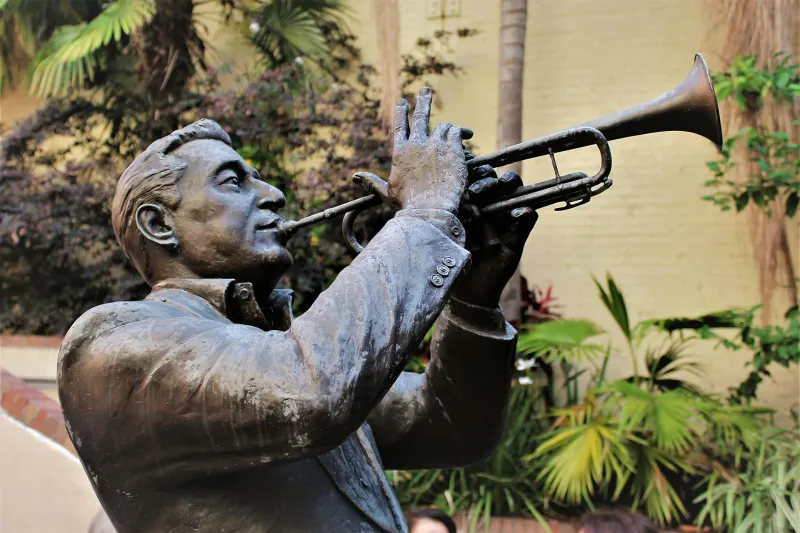
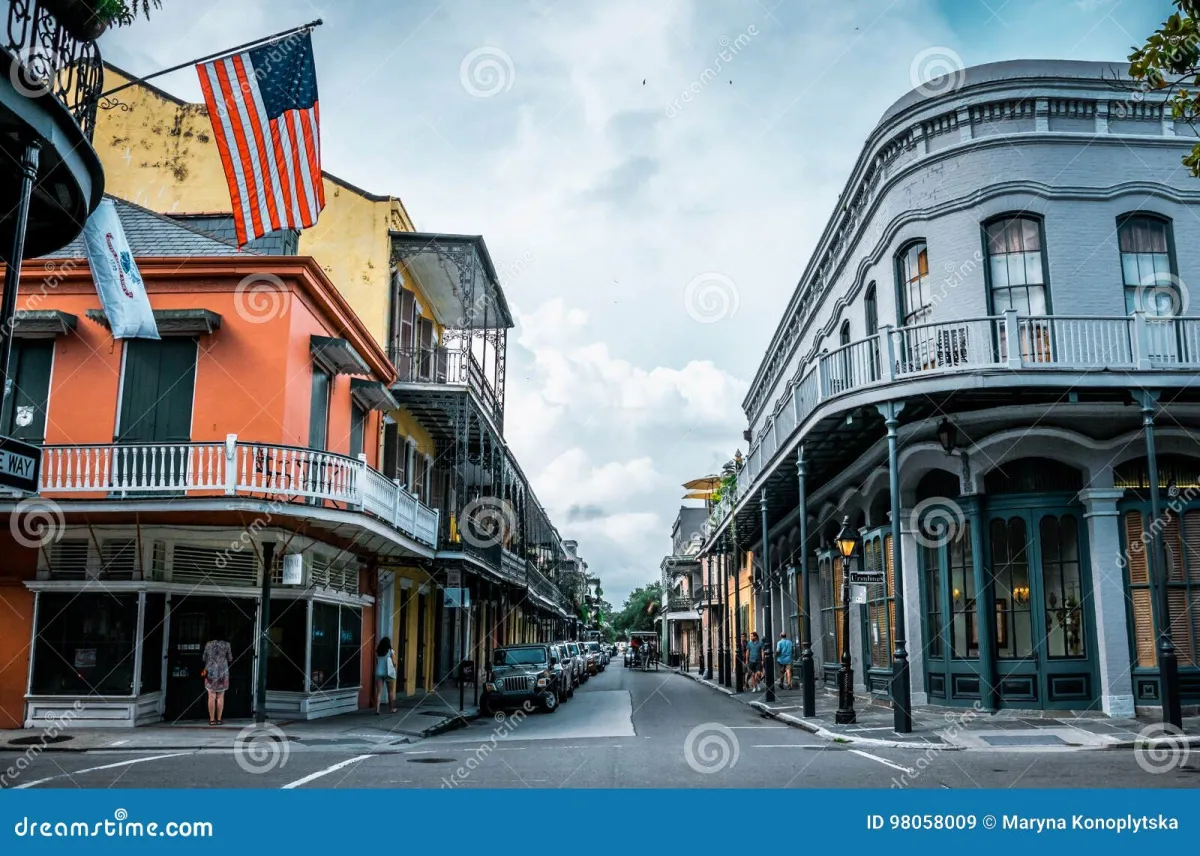 Photo: New Orleans, via thumbs.dreamstime.com
Nobody could have predicted that this arrest would birth a musical revolution. Armstrong had spent his childhood scavenging coal from railroad tracks, singing for nickels outside saloons, and dodging the violence that plagued Back o' Town, the roughest neighborhood in what was already a rough city. His mother, Mayann, was fifteen when he was born. His father disappeared before Louis could remember his face.
When Poverty Became Percussion
The New Orleans that shaped Armstrong was a city of impossible contradictions. It was the only place in America where enslaved people had been legally allowed to gather and make music in Congo Square. By the early 1900s, that musical freedom had evolved into something the world had never heard: a hybrid of African rhythms, European harmonies, and American blues that would eventually be called jazz.
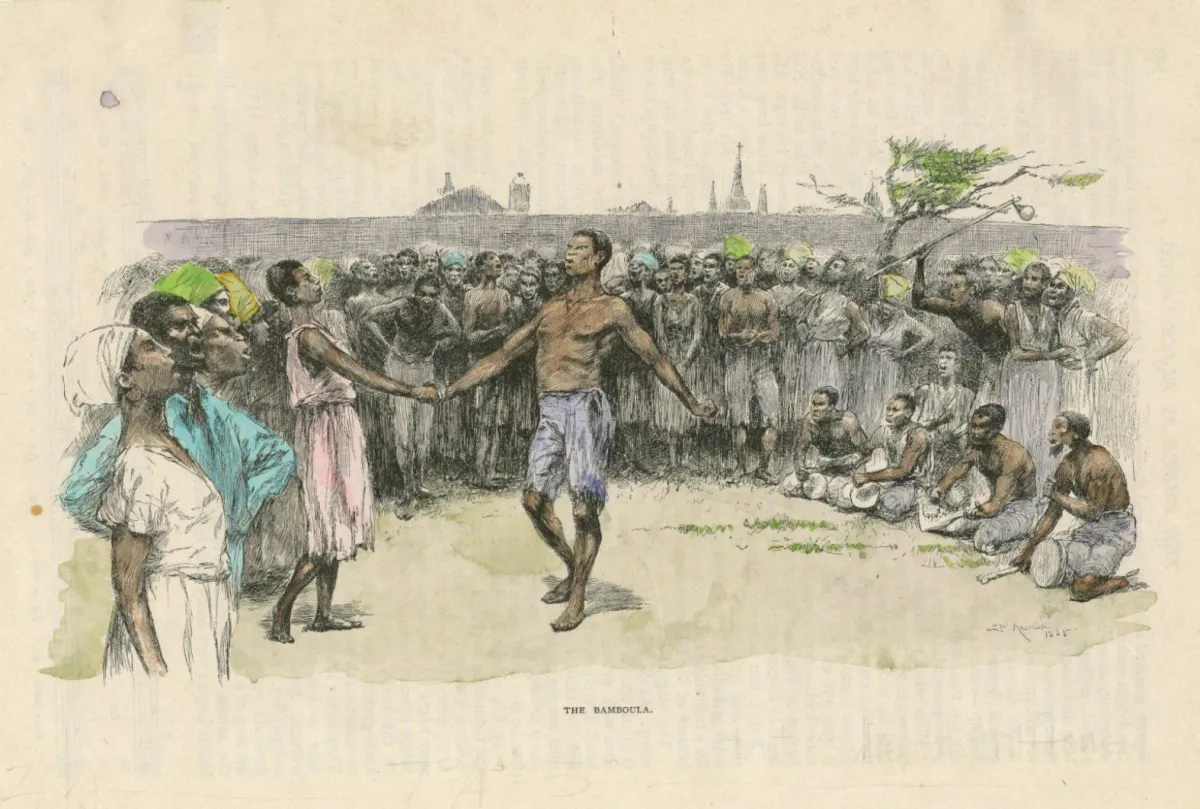 Photo: Congo Square, via cdn.craft.cloud
But for young Louis, music wasn't art—it was survival. He formed a quartet with three other street kids, harmonizing on corners for whatever coins tourists might drop. They called themselves the Singing Fools, though there was nothing foolish about their hustle. In a city where Black children had few paths out of poverty, Armstrong was already learning to turn rhythm into revenue.
The Waifs' Home changed everything. Under the guidance of Captain Peter Davis, Armstrong touched his first real instrument: a bugle. Then a cornet. Davis saw something in the boy that nobody else had bothered to notice—not just musical talent, but an almost supernatural ability to make any melody swing.
The University of Hard Knocks Had the Best Music Program
When Armstrong was released from detention two years later, he returned to a New Orleans that was becoming the epicenter of a musical earthquake. Jazz was erupting from every corner, every club, every riverboat. But this wasn't the sanitized version that would eventually reach concert halls. This was music born in brothels and baptized in bourbon, played by men who learned their craft in the same streets that nearly swallowed Armstrong whole.
He found work wherever he could get it: playing in small clubs, marching in funeral parades, performing on riverboats that carried music up and down the Mississippi. Each gig was a master class taught by musicians who had invented their own rules. Armstrong absorbed everything, but he wasn't just copying—he was transforming.
By his early twenties, Armstrong had developed something that would reshape popular music forever: the solo. Before Louis, jazz was largely ensemble music. Individual musicians rarely stepped forward to improvise extended passages. Armstrong changed that, turning the trumpet into a vehicle for personal expression that was simultaneously intimate and explosive.
The Voice That Launched a Thousand Imitators
Armstrong's singing voice was as revolutionary as his trumpet playing, though it emerged almost by accident. During a recording session in 1926, he dropped his sheet music mid-song. Rather than stop, he began improvising lyrics using nonsense syllables—"scat" singing that would become another jazz standard. His gravelly, joyful voice became as recognizable as his trumpet, carrying a warmth that could make even the most complex musical innovations feel like conversations with an old friend.
This wasn't just entertainment; it was cultural diplomacy. As Armstrong's fame spread beyond New Orleans, then beyond America, he became an unofficial ambassador for a uniquely American art form. His music spoke a language that transcended race, class, and nationality. In a country still decades away from civil rights legislation, Armstrong was quietly integrating audiences one song at a time.
From Rags to Riches, From Local to Legend
By the 1930s, Armstrong had evolved from a street corner singer into an international phenomenon. He performed for kings and presidents, appeared in Hollywood films, and became one of the first African American entertainers to host his own national radio show. His smile became as famous as the Statue of Liberty—and just as symbolic of American possibility.
Yet Armstrong never forgot where he came from. He continued to live modestly, often returning to New Orleans to play for the same communities that had raised him. He understood that his success wasn't just personal—it was proof that genius could emerge from the most unlikely circumstances.
The Revolutionary Who Never Fired Another Shot
Louis Armstrong died in 1971, fifty-nine years after that New Year's Eve gunshot that launched his career. By then, jazz had evolved far beyond what he had pioneered, but his influence was embedded in every note. Rock and roll, hip-hop, pop music—none of it would exist without the rhythmic innovations that Armstrong developed while hustling for coins on New Orleans street corners.
His story remains one of America's most powerful arguments for the transformative potential of art. A boy who began life with nothing but hunger and a voice full of hope didn't just rise from ruin—he showed the world that ruin itself could be raw material for something beautiful. In Armstrong's hands, poverty became percussion, pain became melody, and the streets of New Orleans became the launching pad for a sound that still makes the world swing.