The Space That Broke the Rules
For seven years, Harriet Jacobs lived in a crawl space that measured nine feet long, seven feet wide, and three feet high. She couldn't stand up. She couldn't lie down straight. In summer, the North Carolina heat made the tiny garret feel like an oven. In winter, snow fell through the gaps in the roof onto her body.
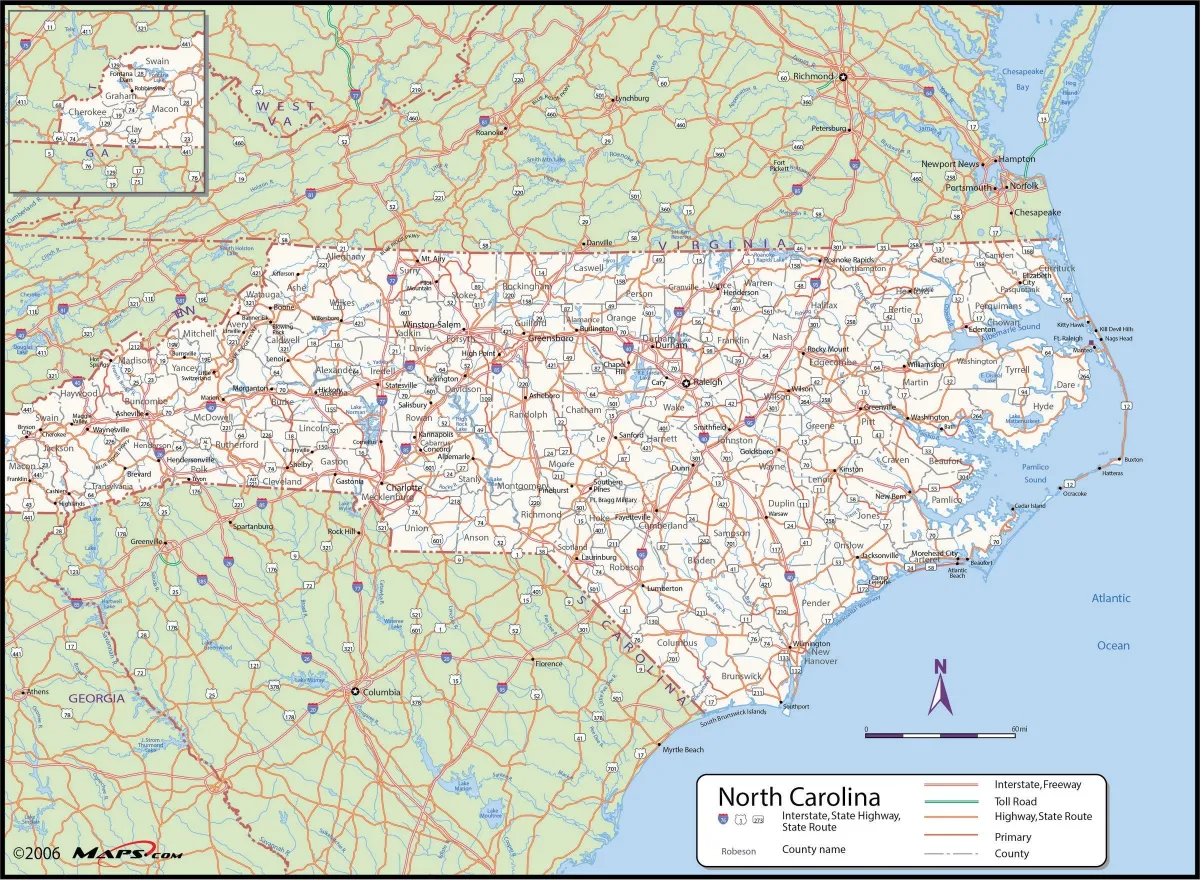 Photo: North Carolina, via cdn.shopify.com
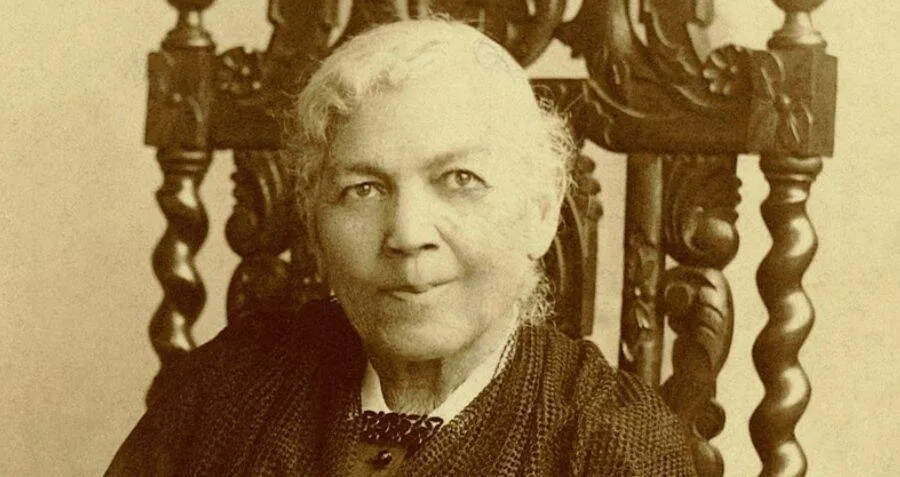 Photo: Harriet Jacobs, via allthatsinteresting.com
Most people would have lost their minds. Jacobs used the time to plan her literary revolution.
The space above her grandmother's house wasn't supposed to be a hiding place—it was barely large enough to store old furniture. But when Jacobs escaped from her enslaver in 1835, it became her fortress, her prison, and ultimately, her writing workshop. From that impossible perch, she would watch her children play in the yard below, knowing they believed she had fled to the North.
She was hiding in plain sight, gathering the stories that would eventually shake America's conscience.
The Education That Wasn't Supposed to Happen
Jacobs had been born into slavery in North Carolina around 1813, but she possessed something that terrified her enslavers: literacy. Her first mistress had taught her to read and write—a dangerous gift in a world built on keeping enslaved people ignorant.
When that mistress died, Jacobs was willed to the woman's young niece, which meant falling under the control of Dr. James Norcom, a physician who would become her tormentor. Norcom was determined to break Jacobs's spirit, subjecting her to years of sexual harassment and psychological torture.
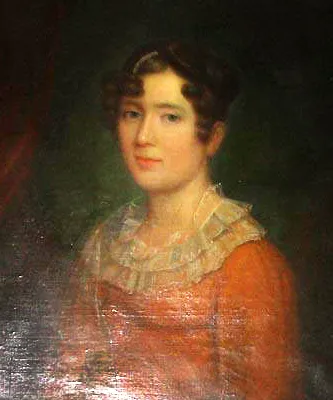 Photo: Dr. James Norcom, via www.ncpedia.org
But every attempt to crush her only sharpened her resolve. She began to understand that her ability to read and write wasn't just a personal asset—it was a weapon that could be used against the entire system of slavery.
The Impossible Choice
By 1835, Norcom's harassment had become unbearable. Jacobs faced an impossible decision: submit to his advances or risk everything to escape. But running meant leaving behind her two young children, and she knew that Norcom would take out his rage on them.
That's when Jacobs made a choice that defied every conventional narrative about escape from slavery. Instead of fleeing to the North, she disappeared into that tiny crawl space, betting that Norcom would assume she had run away and eventually sell her children to someone more humane.
It was a gamble that required not just physical endurance, but psychological warfare. From her hiding place, she could hear Norcom's frustrated searches. She watched him question neighbors and post rewards. She even managed to send him letters postmarked from New York, convincing him she had successfully escaped.
Writing in the Dark
During those seven years in hiding, Jacobs did more than survive—she began crafting the narrative that would become "Incidents in the Life of a Slave Girl." In her cramped space, by candlelight and moonlight filtering through roof gaps, she started putting her experiences into words.
This wasn't just therapeutic writing. Jacobs understood that personal testimony could be political dynamite. She had read other slave narratives and noticed that most were written by men who focused on physical brutality and dramatic escapes. She knew her story offered something different: an unflinching look at how slavery specifically tormented women.
The sexual harassment, the impossible choices between protecting yourself and protecting your children, the way enslaved women were trapped not just by chains but by the social expectations of motherhood—these were truths that polite society preferred to ignore.
The Voice That Emerged
When Jacobs finally escaped to the North in 1842, she didn't immediately rush into print. She spent years working as a domestic servant, reuniting with her children, and carefully studying the literary landscape. She understood that her story would be dismissed if it wasn't perfectly crafted.
She also faced a problem that male slave narrators didn't encounter: the assumption that women couldn't or shouldn't write about sexual violence. When she finally began seriously working on her book in the 1850s, even sympathetic white abolitionists suggested that her story might be too shocking for public consumption.
Jacobs refused to sanitize her experience. She wrote with clinical precision about Norcom's harassment, about the impossible moral choices enslaved women faced, about the way slavery corrupted not just the enslaved but the enslavers. Her prose was elegant but unflinching, literary but never abstract.
The Book That Changed the Conversation
"Incidents in the Life of a Slave Girl" was published in 1861, just as the Civil War was beginning. The timing was perfect and terrible—the nation was finally ready to confront the full horror of slavery, but it was also tearing itself apart over the issue.
Jacobs's book did something no previous slave narrative had accomplished: it forced readers to confront the specific ways that slavery brutalized women. She wrote about sexual violence without sensationalizing it, about motherhood under impossible circumstances, about the psychological torture that left scars no one could see.
Critics initially questioned whether the book was authentic—surely no woman could write so powerfully about such difficult subjects. But Jacobs had documented everything, saved letters, gathered testimonials. Her story wasn't just true; it was verifiable.
The Legacy of Impossible Spaces
Jacobs lived until 1897, long enough to see slavery abolished and to watch the early civil rights movement take shape. But her greatest contribution wasn't just surviving slavery or even escaping it—it was transforming that survival into literature that expanded how America understood its own history.
Today, "Incidents in the Life of a Slave Girl" is recognized as a foundational text in American literature, taught in universities and studied by scholars around the world. It opened the door for generations of writers who would use personal narrative to challenge political systems.
But perhaps the most remarkable thing about Jacobs's achievement is how it began: in a space barely large enough for a human body, where a woman who wasn't supposed to be able to read or write spent seven years crafting the words that would help end the system that had trapped her.
Sometimes the smallest spaces contain the largest truths. Sometimes the most impossible circumstances forge the most powerful voices. Harriet Jacobs proved that when you have something important to say, you find a way to say it—even if you have to do it lying down in the dark.