
Walt Disney: The Newspaper Editor Who Lacked Imagination
In 1919, Walt Disney was twenty-eight and desperate for work when he landed a job at the Kansas City Star newspaper. His role was simple: draw pictures for advertisements and articles. It should have been perfect for a young man who had been sketching since childhood.
 Photo: Walt Disney, via www.waltdisney.org
Instead, it was a disaster.
Disney's editor fired him after just a few weeks, delivering a verdict that would become legendary for its irony: "He lacked imagination and had no good ideas." The rejection stung, but it also freed Disney from trying to fit his creative vision into someone else's narrow box.
Within a year, Disney had started his own animation company. Within a decade, he had created Mickey Mouse. Within two decades, he had revolutionized filmmaking with feature-length animated movies. The man who "lacked imagination" went on to build an entertainment empire that continues to shape childhood dreams nearly a century later.
The lesson? Sometimes getting fired is just the universe's way of telling you that you're in the wrong room.
Oprah Winfrey: The Anchor Who Was Too Emotional
In 1977, Oprah Winfrey was twenty-three and thrilled to be working as a news anchor at WJZ-TV in Baltimore. She had fought hard to get there, overcoming poverty and abuse to land what seemed like her dream job in television news.
But the dream quickly became a nightmare. Winfrey's emotional, personal style clashed with the detached professionalism expected of news anchors. She cried during sad stories. She got angry about injustice. She treated interviewees like human beings rather than sources.
After eight months, the station demoted her from anchor to reporter. When that didn't work out either, they tried to fire her outright. Only a contract technicality saved her job, and even then, they stuck her on the morning talk show—television's equivalent of exile.
That "exile" became the launching pad for the most successful talk show in television history. Winfrey's emotional authenticity, the very quality that made her a terrible news anchor, turned out to be exactly what daytime television needed. She transformed the medium, built a media empire, and became one of the most influential people in America.
Sometimes your greatest weakness in the wrong job becomes your greatest strength in the right one.
Colonel Sanders: The Sixty-Five-Year-Old Failure
Harland Sanders was sixty-five years old when everything fell apart. For decades, he had run a successful restaurant and motel in Kentucky, serving chicken made with his secret blend of eleven herbs and spices. Then the interstate highway bypassed his town, and his business dried up overnight.
 Photo: Colonel Sanders, via allthatsinteresting.com
Most people would have retired quietly. Sanders loaded his car with pressure cookers and spice samples and hit the road.
He spent the next two years driving across the country, sleeping in his car, trying to convince restaurant owners to serve his chicken recipe. He was rejected over 1,000 times. Restaurant owners thought he was crazy—a senior citizen in a white suit claiming he had a secret recipe that would revolutionize their business.
But Sanders only needed one "yes." When a restaurant owner in Utah finally agreed to try his recipe, customers couldn't get enough. Within five years, Sanders had franchised his recipe to over 600 restaurants. Kentucky Fried Chicken became a global phenomenon, and the man who had lost everything at sixty-five became a millionaire at seventy.
Age is just a number. Persistence is everything.
Steve Jobs: The CEO Who Lost His Own Company
In 1985, Steve Jobs was thirty years old and on top of the world. He had co-founded Apple Computer, revolutionized personal computing, and become the poster child for Silicon Valley innovation. Then his own board of directors forced him out of the company he had built.
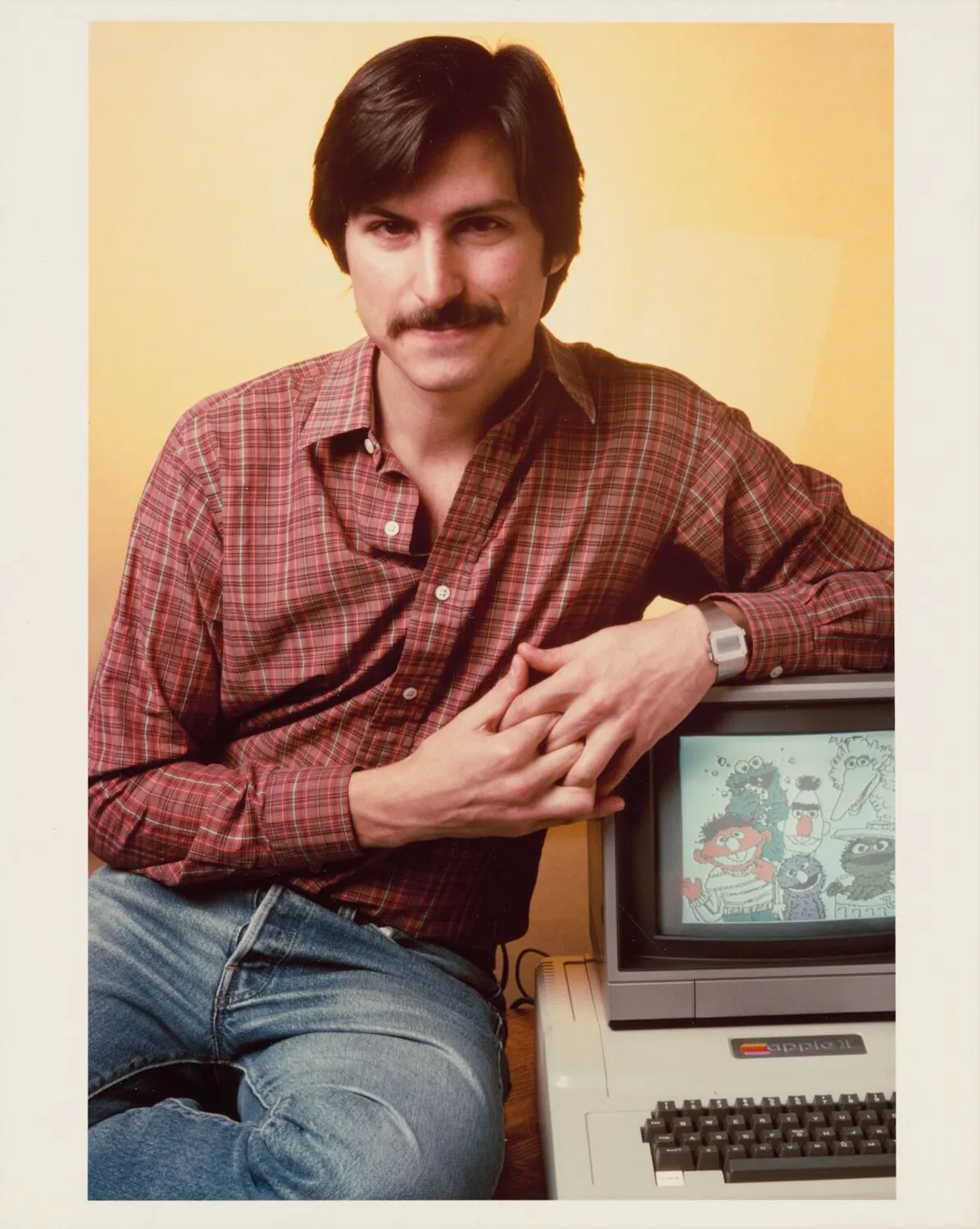 Photo: Steve Jobs, via book.stevejobsarchive.com
The rejection was brutal and public. Jobs had clashed with CEO John Sculley over the direction of the company, and when the board had to choose sides, they chose Sculley. Jobs was stripped of operational responsibilities and eventually resigned, selling all but one of his Apple shares.
For most executives, getting fired from your own company would be career suicide. For Jobs, it was liberation. Free from the constraints of running a large corporation, he started NeXT Computer and bought a struggling animation studio called Pixar from George Lucas.
Pixar revolutionized filmmaking with "Toy Story" and other groundbreaking animated films. NeXT developed the operating system technology that would eventually power modern Apple products. When Apple bought NeXT in 1997, Jobs returned as CEO and led the company to unprecedented heights with the iMac, iPod, iPhone, and iPad.
Getting fired from Apple didn't end Steve Jobs's career—it was the detour that made his greatest achievements possible.
Jerry Seinfeld: The Comic Who Bombed at The Comic Strip
In 1976, Jerry Seinfeld was a struggling stand-up comedian trying to make it in New York City. He had been performing for a few years, slowly building his act and his confidence. Then he got his big break: a spot at The Comic Strip, one of the city's premier comedy clubs.
He bombed. Spectacularly.
Not only did his jokes fall flat, but the club's management was so unimpressed that they told him he would never work there again. For a young comedian in New York, getting banned from a major club was devastating. It meant fewer opportunities, less exposure, and a serious blow to his confidence.
But the rejection forced Seinfeld to completely rethink his approach to comedy. Instead of trying to be like every other comedian, he developed his unique observational style, finding humor in the mundane details of everyday life. He focused on the absurdities of modern existence that everyone experienced but rarely talked about.
That distinctive voice eventually led to "Seinfeld," the most successful sitcom in television history. The show's "show about nothing" concept, built around observational humor and everyday situations, made Seinfeld one of the wealthiest entertainers in the world.
The Pattern Behind the Rejections
These five stories share a common thread: the qualities that made each person "wrong" for their original positions were exactly what made them perfect for their eventual success. Disney's imagination was too big for newspaper ads but perfect for animated films. Winfrey's emotion was wrong for news but right for talk shows. Sanders's age and persistence were liabilities in traditional business but assets in franchising.
Getting fired, rejected, or pushed out isn't always a sign of failure—sometimes it's a sign that you're playing the wrong game. The key is recognizing when rejection is redirection, when getting pushed out of the wrong room is the only way to find the right one.
In America, second acts aren't just possible—they're often where the real story begins.