
When "No" Becomes the Best Thing That Ever Happened
Every sports fan knows the stories of legendary coaches, but few know that some of America's greatest sideline strategists were once told they simply didn't belong on the field. These five coaches turned their deepest professional humiliations into the driving force behind revolutionary approaches that changed their sports forever.
1. Bill Belichick: The Assistant Who Wasn't Assistant Material
The Cut: In 1995, Bill Belichick was fired as head coach of the Cleveland Browns after compiling a 36-44 record. The dismissal was brutal and public. Fans burned his jersey. Media called him a failure. The NFL seemed to agree—no team offered him a head coaching position for five years.
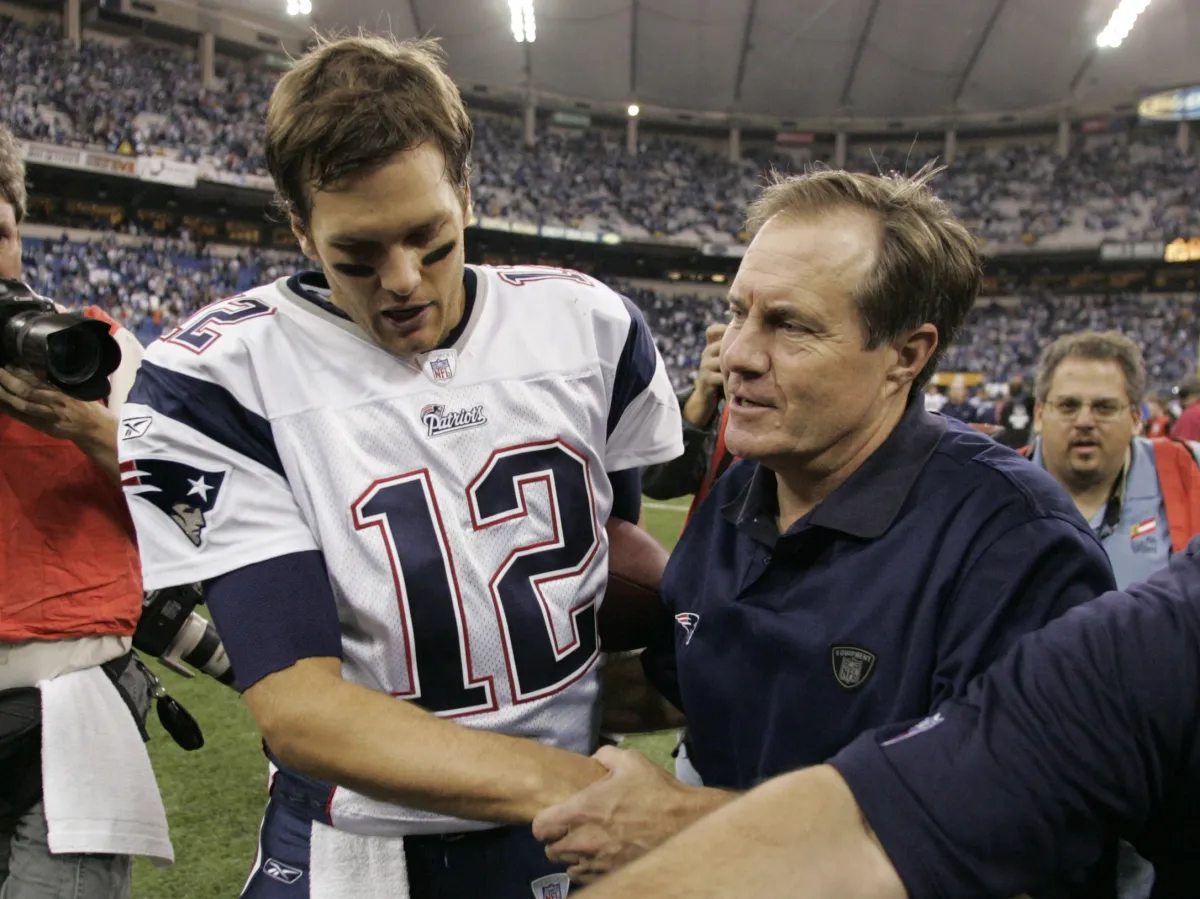 Photo: Bill Belichick, via nypost.com
The Comeback: That humiliation taught Belichick something invaluable: the difference between being popular and being effective. When he finally got his second chance with the New England Patriots, he brought a philosophy forged in failure. He obsessed over preparation, ignored media criticism, and built a system based on adaptability rather than ego.
 Photo: New England Patriots, via goodifitgoes.com
The coach who was once mocked for his dour press conferences became the architect of the NFL's greatest dynasty. His six Super Bowl victories weren't just wins—they were a systematic dismantling of every criticism that had been leveled against him in Cleveland.
2. Pat Summitt: The Player Who Wasn't Quite Good Enough
The Cut: Pat Summitt was a solid college basketball player at Tennessee-Martin, but she wasn't star material. She was passed over for elite competitive opportunities and told she lacked the natural athleticism for the highest levels of the game.
 Photo: Pat Summitt, via a.espncdn.com
The Comeback: That assessment lit a fire that burned for four decades. Summitt channeled her frustration into an obsessive study of the game's fundamentals. She became convinced that talent without preparation was worthless, and that preparation could overcome almost any talent deficit.
As head coach at Tennessee, Summitt built the most successful program in women's basketball history—1,098 wins and eight national championships. Her players feared her practices more than any opponent. She proved that the coach who had been deemed "not quite good enough" could develop a system that made champions out of anyone willing to work.
3. Tony Dungy: The Quarterback Who Couldn't Cut It
The Cut: Tony Dungy's NFL playing career lasted exactly two seasons. As a quarterback, he was smart but lacked the arm strength and mobility that teams wanted. He was released by multiple teams and told his future wasn't on the field.
The Comeback: Dungy's brief playing career taught him something crucial: success in the NFL wasn't just about physical gifts. He'd watched talented players fail because they couldn't handle pressure, couldn't adapt to different systems, or couldn't maintain focus over a long season.
As a coach, Dungy developed what became known as the "Tampa 2" defense and later built championship teams in Indianapolis based on mental preparation and emotional stability. The quarterback who wasn't athletic enough became the coach who proved that intelligence and character could outweigh pure talent.
4. John Wooden: The College Player Who Peaked Too Early
The Cut: John Wooden was a successful college player at Purdue, but when his playing days ended, no major program showed interest in him as a coach. He spent years coaching high school basketball in Indiana, watching peers move directly into prestigious college positions while he was stuck in what many considered the minor leagues.
The Comeback: Those high school years weren't a detour—they were graduate school. Wooden learned to work with players of varying abilities, to motivate teenagers, and to build character alongside basketball skills. He developed his famous "Pyramid of Success" during those overlooked years.
When UCLA finally hired him, Wooden brought a philosophy that had been tested in Indiana gymnasiums: basketball was about more than winning games. His teams won ten national championships in twelve years, but his greater legacy was proving that teaching character was the fastest path to championships.
5. Vince Lombardi: The Assistant Who Stayed an Assistant Too Long
The Cut: Vince Lombardi spent eight years as an assistant coach with the New York Giants, watching younger, less experienced coaches get promoted to head coaching positions while he was repeatedly passed over. At 45, he was told he was too old to be a first-time head coach.
The Comeback: Those years of rejection taught Lombardi that opportunity was rare and had to be maximized. When Green Bay finally took a chance on him, he brought an intensity born from decades of frustration. He wasn't going to waste a single practice, a single play call, or a single moment.
Lombardi transformed the worst team in the NFL into champions in three years. His philosophy—that excellence was a habit, not an accident—came directly from his years of watching other coaches waste opportunities he would have killed for.
The Pattern of Rejection and Revolution
What connects these five coaches isn't just that they were rejected—it's how they used that rejection. Each of them developed coaching philosophies directly shaped by their failures. They became obsessed with preparation because they knew talent alone wasn't enough. They focused on character because they'd learned that ability without determination was worthless.
Most importantly, they never forgot what it felt like to be told they weren't good enough. That memory became their greatest coaching tool—the ability to connect with players who were struggling, overlooked, or counted out.
Their stories prove that sometimes the best thing that can happen to a future legend is being told they'll never be one. The coaches who got cut early learned lessons that the naturals never had to learn. And those lessons, forged in failure, became the foundation for the greatest successes in American sports history.