Combat to Commerce: Five Veterans Who Built Fortunes From the Ashes of War
When War Ends, Business Begins
The transition from battlefield to boardroom has never been smooth. But for some American veterans, the chaos of combat became an unexpected business school—teaching lessons in leadership, logistics, and survival that no MBA program could replicate. These five men returned home broke, broken, or both, then built fortunes that proved their greatest victories came after the shooting stopped.
The Civil War Surgeon Who Prescribed Success
Dr. William Worrall Mayo came home from the Civil War with steady hands and an unshakeable belief in systematic thinking. After serving as a Union Army examining surgeon, Mayo settled in Rochester, Minnesota, with $200 and a borrowed medical kit. The frontier town barely had 5,000 residents, but Mayo saw opportunity where others saw isolation.
The war had taught Mayo that medical care succeeded or failed based on organization and teamwork. He applied military discipline to civilian medicine, creating detailed patient records and establishing protocols that other frontier doctors ignored. When a devastating tornado struck Rochester in 1883, Mayo organized the emergency response with military precision, working alongside the Sisters of St. Francis to treat hundreds of casualties.
This disaster response impressed the nuns so much that they proposed building a hospital with Mayo as chief physician. Saint Marys Hospital opened in 1889, and Mayo's sons joined the practice, creating the foundation of what would become the Mayo Clinic—now one of America's most prestigious medical institutions.
The World War I Pilot Who Flew Into Fortune
Eddie Rickenbacker returned from World War I as America's top fighter ace, but his 26 aerial victories couldn't pay the bills. The Indianapolis native had learned to fly in combat, mastering machines that killed amateur pilots without hesitation. When he came home in 1919, commercial aviation barely existed, and nobody knew what to do with a war hero whose only skill was aerial combat.
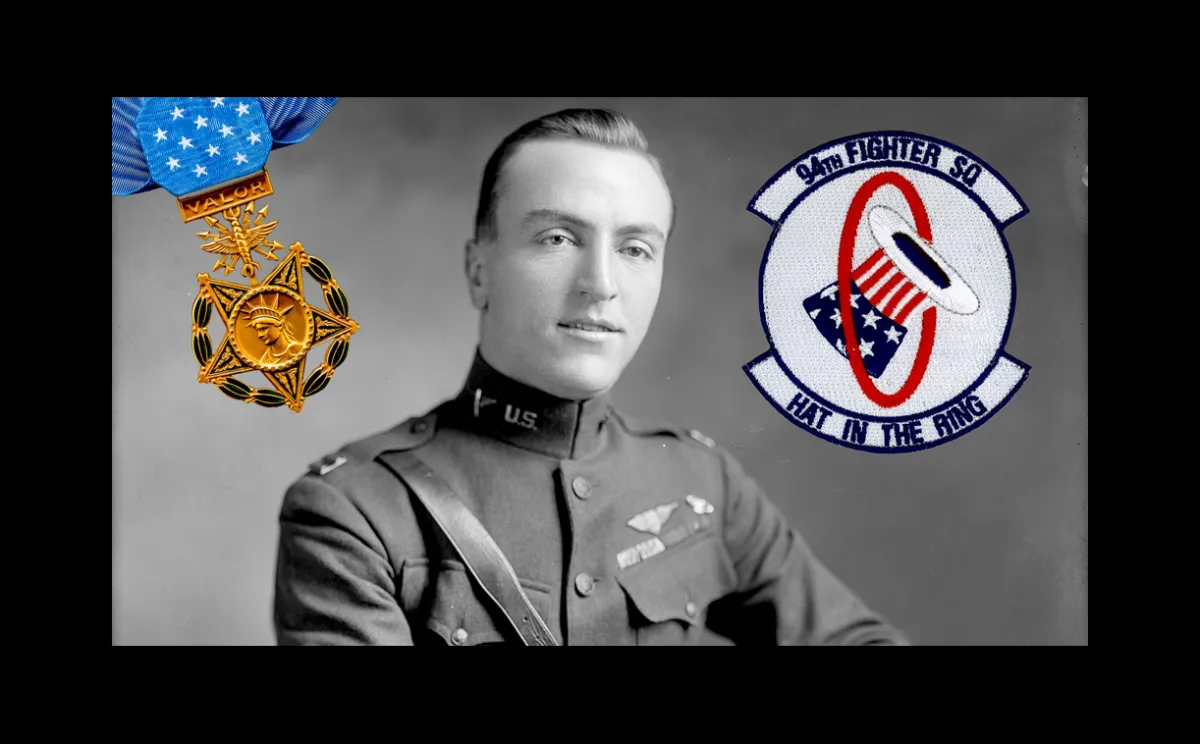 Photo: Eddie Rickenbacker, via doughboy.org
Rickenbacker started by racing cars, using his wartime reflexes to dominate the Indianapolis 500. But his real breakthrough came when he recognized that aviation would transform American business. In 1938, he purchased Eastern Air Lines with a group of investors, applying military logistics principles to commercial flight operations.
Under Rickenbacker's leadership, Eastern became one of America's most successful airlines. He understood that aviation safety required the same attention to detail that had kept him alive in dogfights over France. His wartime experience with unreliable equipment made him obsessive about maintenance schedules and pilot training. By the time he retired, Eastern Air Lines was generating hundreds of millions in annual revenue.
The World War II Mechanic Who Fixed America's Future
Kemmons Wilson spent World War II maintaining aircraft engines in the Pacific Theater, learning that complex systems required simple, reliable solutions. When he returned to Memphis in 1946, Wilson had $1,326 and a family vacation experience that would change American travel forever.
Taking his wife and five children on a road trip to Washington, D.C., Wilson was appalled by the inconsistent quality of roadside motels. Some charged extra for children, others provided dirty rooms or unreliable service. His wartime experience with standardized procedures convinced him that hospitality could be systematized like aircraft maintenance.
Wilson opened his first Holiday Inn in 1952, applying military standards to civilian comfort. Every room featured identical amenities, consistent pricing, and reliable service. He franchised the concept using principles he'd learned about supply chains and quality control in the military. By 1968, Holiday Inn had become the world's largest hotel chain, with Wilson's fortune exceeding $100 million.
The Korean War Radio Operator Who Heard Opportunity
Colonel Harland Sanders was already 50 when he enlisted during World War I, but his real military education came later. During the Korean War, Sanders served as a communications specialist, learning how radio networks connected distant outposts into coordinated operations. This experience with communication systems would prove crucial to his later business success.
After the war, Sanders operated a small restaurant in Corbin, Kentucky, perfecting a pressure-cooking technique for fried chicken. But his breakthrough came when he applied military communication principles to business expansion. Instead of opening more restaurants himself, Sanders developed a franchising system that worked like a military command structure—centralized standards with decentralized execution.
Sanders personally visited potential franchisees, teaching them his cooking methods and establishing quality controls. His military experience had taught him that successful operations required both clear standards and local adaptation. By 1964, Kentucky Fried Chicken had 600 locations across the United States, and Sanders sold the company for $2 million plus lifetime royalties.
The Vietnam Veteran Who Delivered the Future
Fred Smith returned from Vietnam in 1971 with Bronze Star medals and business ideas that seemed impossible. As a Marine Corps officer, Smith had coordinated supply operations in remote jungle locations, learning that logistics could mean the difference between life and death. He noticed that military supply chains moved critical items faster and more reliably than civilian shipping companies.
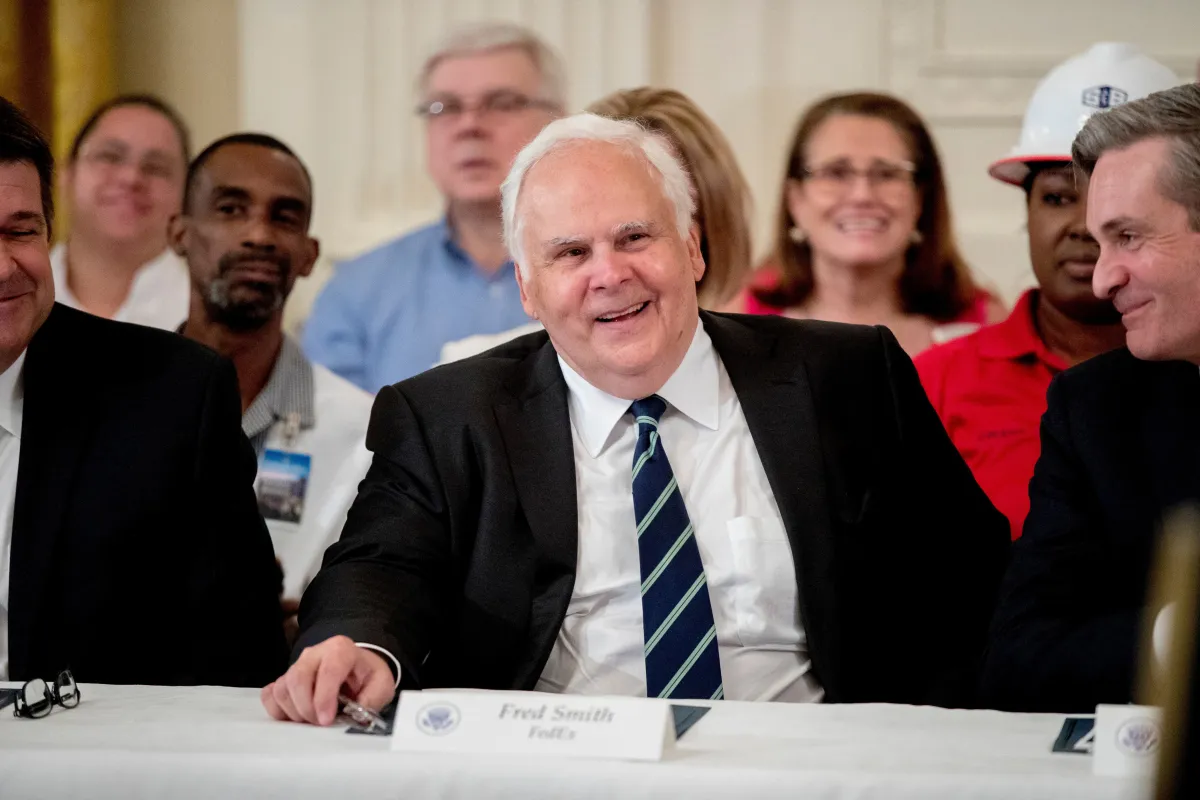 Photo: Fred Smith, via img-s-msn-com.akamaized.net
Smith's Yale economics professor had given his undergraduate paper about overnight delivery a C grade, calling the idea impractical. But Vietnam had taught Smith that impractical ideas sometimes worked better than conventional wisdom. Using his $4 million inheritance and additional investor funding, Smith founded Federal Express in 1973.
The company nearly failed within two years, burning through capital as Smith struggled to convince customers they needed overnight delivery. But his military persistence paid off when businesses discovered that rapid shipping could transform their operations. FedEx revolutionized American commerce, and Smith's wartime lessons about logistics became the foundation of a multi-billion-dollar empire.
The Veteran Advantage
These five men shared common traits forged in combat: comfort with uncertainty, ability to make quick decisions under pressure, and understanding that systematic approaches could solve chaotic problems. Their military service hadn't just given them skills—it had given them confidence to attempt what others considered impossible.
War had taught them that survival required both individual initiative and team coordination. They applied these lessons to businesses that seemed unrelated to military service but actually required the same fundamental capabilities: clear thinking under pressure, systematic problem-solving, and the ability to inspire others to follow difficult plans.
Their success proved that the chaos of combat could become the foundation of civilian triumph—if veterans could translate their hard-won military lessons into peacetime opportunities.